
In the world of industrial operations, a diesel air compressor is more than just a piece of machinery; it is the heartbeat of the job site. From powering pneumatic tools in remote construction areas to providing high-pressure air for oil and gas applications, these units are designed for durability and high performance. However, even the most robust diesel air compressors can fall victim to premature wear and catastrophic failure if they aren't managed correctly.
Operational downtime doesn't just stall a project: it drains your budget. Understanding the common pitfalls of compressor management is the first step toward ensuring your equipment lasts for decades rather than years. At Swift Equipment Solutions, we see these issues frequently. Here are the seven most common mistakes businesses make with their diesel air compressors and, more importantly, how to fix them.
Table of Contents
1. Neglecting Routine Maintenance Intervals
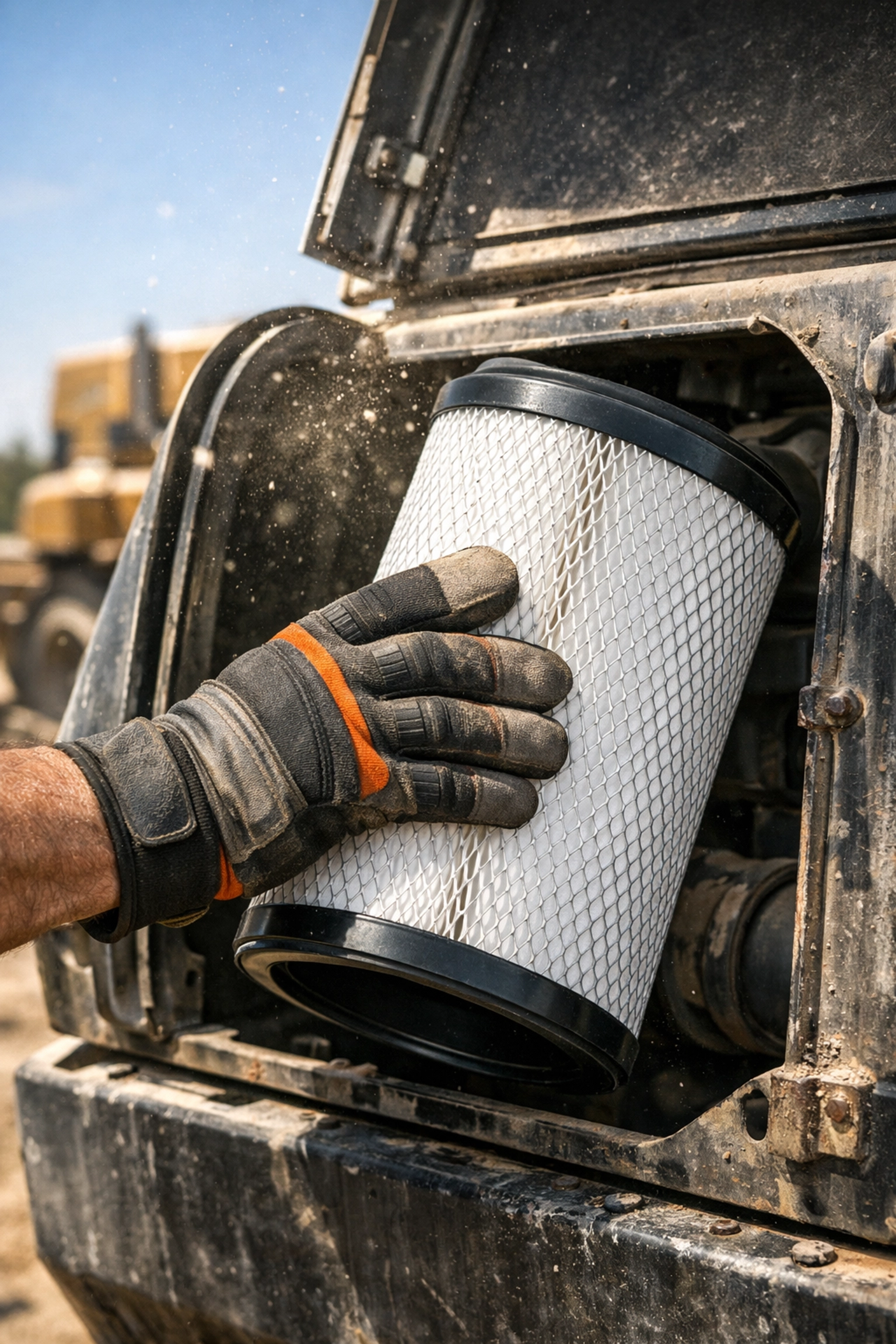
The most common mistake is also the most avoidable: skipping scheduled maintenance. In a high-pressure work environment, it is tempting to push a service interval "just one more week" to finish a project. However, diesel engines and compressor ends operate in harsh, dusty environments that demand strict adherence to maintenance schedules.
Allowing dirt, dust, and debris to accumulate in air filters and coolers restricts airflow, forcing the engine to work harder and run hotter. This leads to increased fuel consumption and eventual component failure.
How to Fix It:
Establish a rigorous maintenance log based on the manufacturer’s hourly recommendations. Inspect and clean the air filter daily in high-dust environments. Don't just look at the outside; check the restriction indicators. Additionally, ensure you are regularly replacing fuel filters and oil-water separators to prevent contaminants from reaching the engine's sensitive fuel injection system.
2. Using the Wrong Oil or Ignoring Oil Levels
Oil is the lifeblood of both the diesel engine and the compressor unit. A common error is using a "one-size-fits-all" approach to oil selection. Using oil with the improper viscosity can lead to poor lubrication during cold starts or insufficient protection at high operating temperatures. Furthermore, overfilling the oil tank is just as dangerous as underfilling it. Excess oil can seep into the discharge air, contaminating your tools and reducing the overall efficiency of the system.
How to Fix It:
Always refer to your manual for the specific viscosity requirements based on your operating environment. When checking levels, ensure the compressor is sitting on a perfectly level surface. If the unit is tilted, the oil pools to one side, giving you a false reading on the dipstick or sight glass. Consistent, accurate oil management is the simplest way to extend the life of your air compressors ends and parts.
3. Ignoring the Warning Signs of Worn Piston Rings
When a compressor starts taking longer to reach its target pressure, many operators simply assume it’s "just getting old." In reality, this is often a sign of worn piston rings. When these rings wear down, the seal between the piston and the cylinder wall is compromised, allowing air to bypass the compression chamber. This results in the unit pumping slowly or failing to build adequate pressure entirely.
How to Fix It:
Perform a diagnostic check by disconnecting the discharge line and using a compression tester. A healthy industrial compressor should build at least 120 psi relatively quickly. If it fails to hit this mark or takes an excessive amount of time, it’s time to inspect and replace the piston rings. Catching this early prevents the cylinder walls from becoming scored, which would require a much more expensive engine overhaul.
4. Allowing Air System Leaks to Persist
An air leak might seem like a minor annoyance: a faint hissing sound in a noisy environment: but it is a massive drain on cost-effectiveness. Leaks in the air governor sensing line or at the fittings cause the system to lose pressure constantly. This forces the compressor to cycle on and off repeatedly, even when there is no demand for air. This "short-cycling" increases wear on the clutch, the engine, and the starter.
How to Fix It:
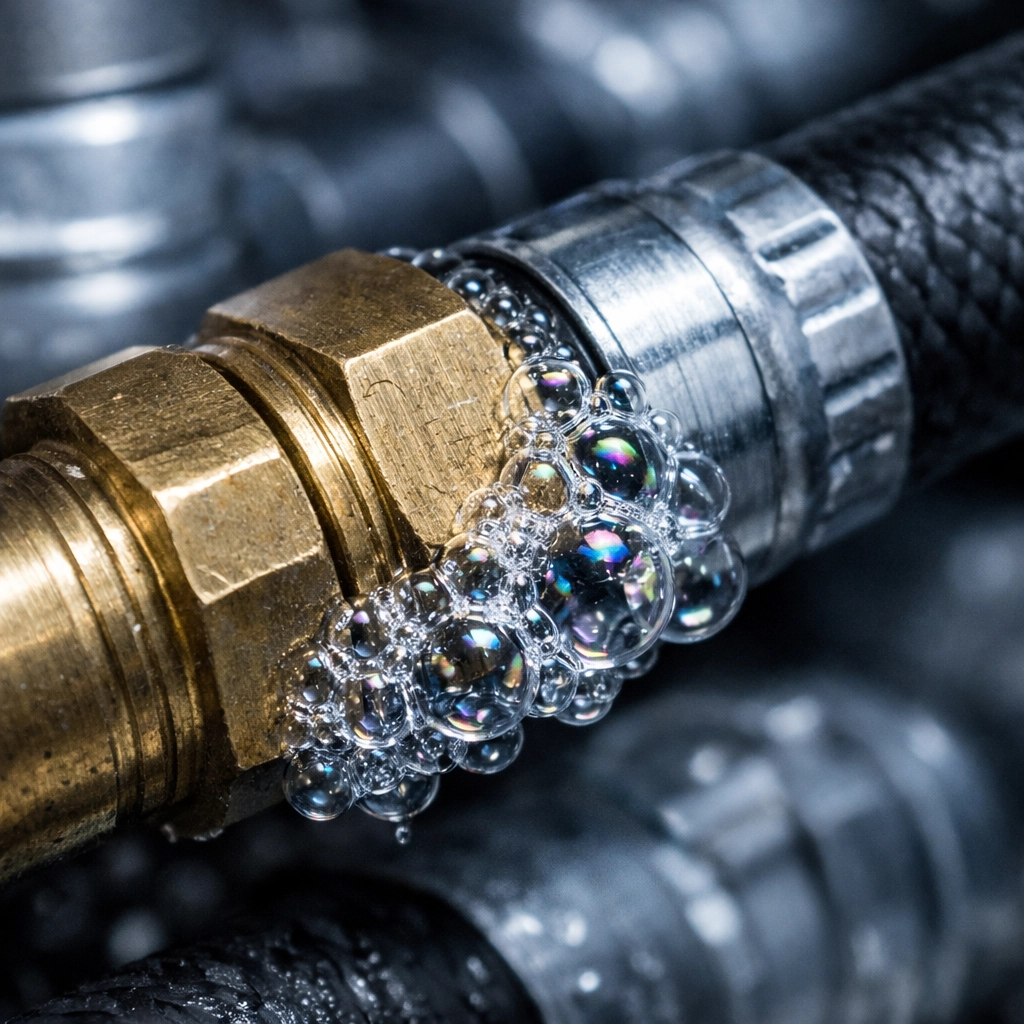
Conduct regular "leak walks" while the equipment is running but tools are idle. Use a soapy water solution on fittings and sensing lines; bubbles will clearly indicate where air is escaping. Promptly repair or replace damaged sections of the sensing line to ensure the governor can accurately read the system pressure.
5. Failing to Properly Test the Air Governor
The air governor is the "brain" that tells the compressor when to start and stop pumping air. When a unit fails to build pressure, many technicians instinctively blame the compressor pump itself. However, a faulty governor: or a signal issue from the air dryer: is often the real culprit. If the governor is stuck in the "unload" position, the compressor will never build pressure, no matter how fast the engine runs.
How to Fix It:
Before committing to an expensive pump repair, test the governor. Remove the governor and see if the compressor begins to build air. If it does, the problem is either the governor itself or the air dryer signaling the governor to stay unloaded. If air is present in the dryer signal line when it shouldn't be, repair the dryer. If there is no signal but the governor is still unloading, replace the governor. Proper diagnostics save thousands in unnecessary industrial equipment replacement parts.
6. Operating in Poorly Ventilated or Overheated Conditions
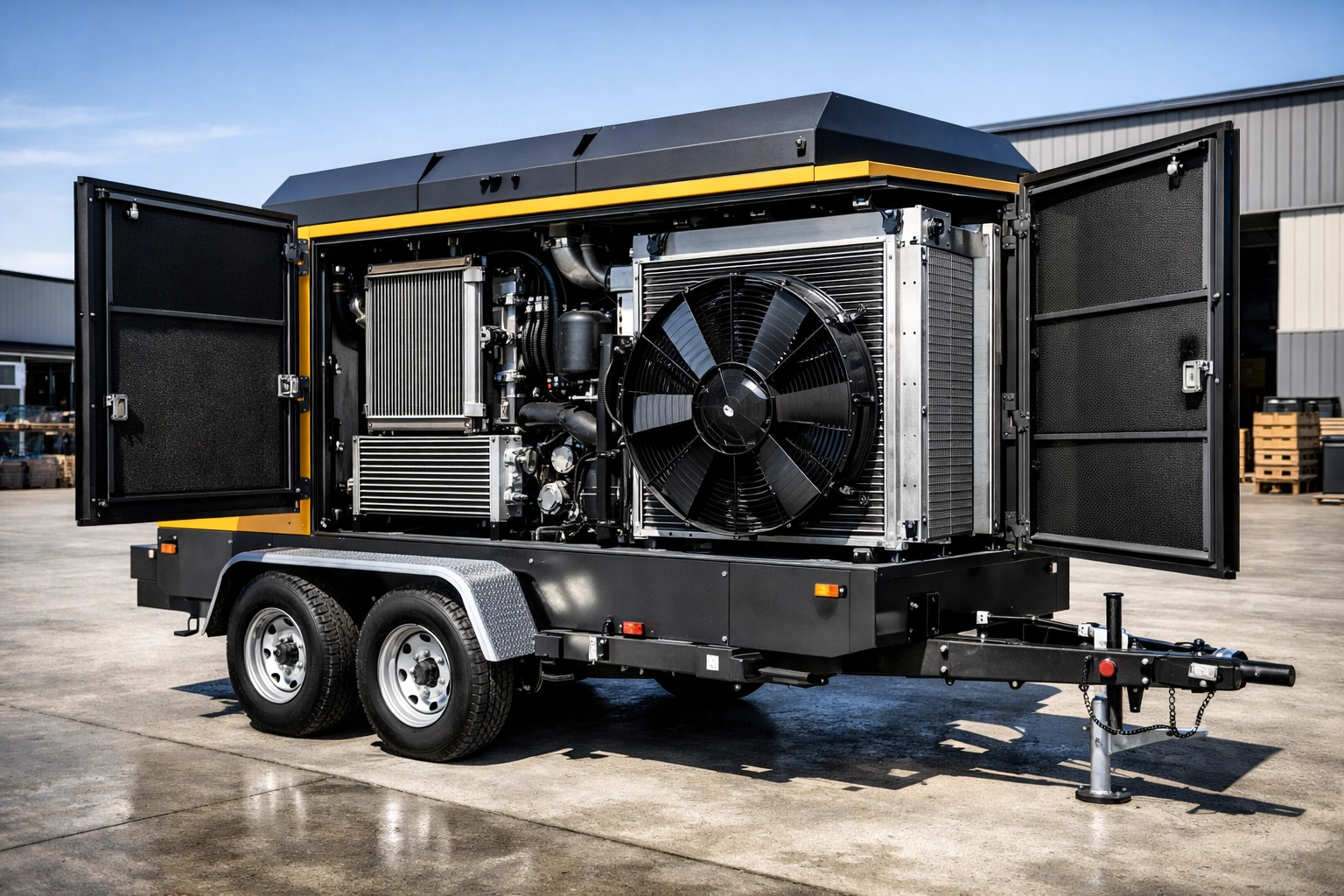
Diesel air compressors generate a significant amount of heat. A frequent mistake is operating the unit in a confined space or with the cabinet doors closed when they should be open (or vice versa, depending on the cooling design). Dirty coolers or blocked airflow paths can trigger automatic thermal shutdowns. Repeatedly hitting these high-temperature limits degrades the oil and can lead to warped components or blown gaskets.
How to Fix It:
Always operate the compressor in a well-ventilated area with at least three feet of clearance around all cooling vents. Make professional cleaning of the coolers a part of your quarterly routine. Use compressed air or a pressure washer (carefully) to blow out the fins of the radiator and oil cooler to ensure maximum heat exchange.
7. Neglecting Fuel and Air Delivery Systems
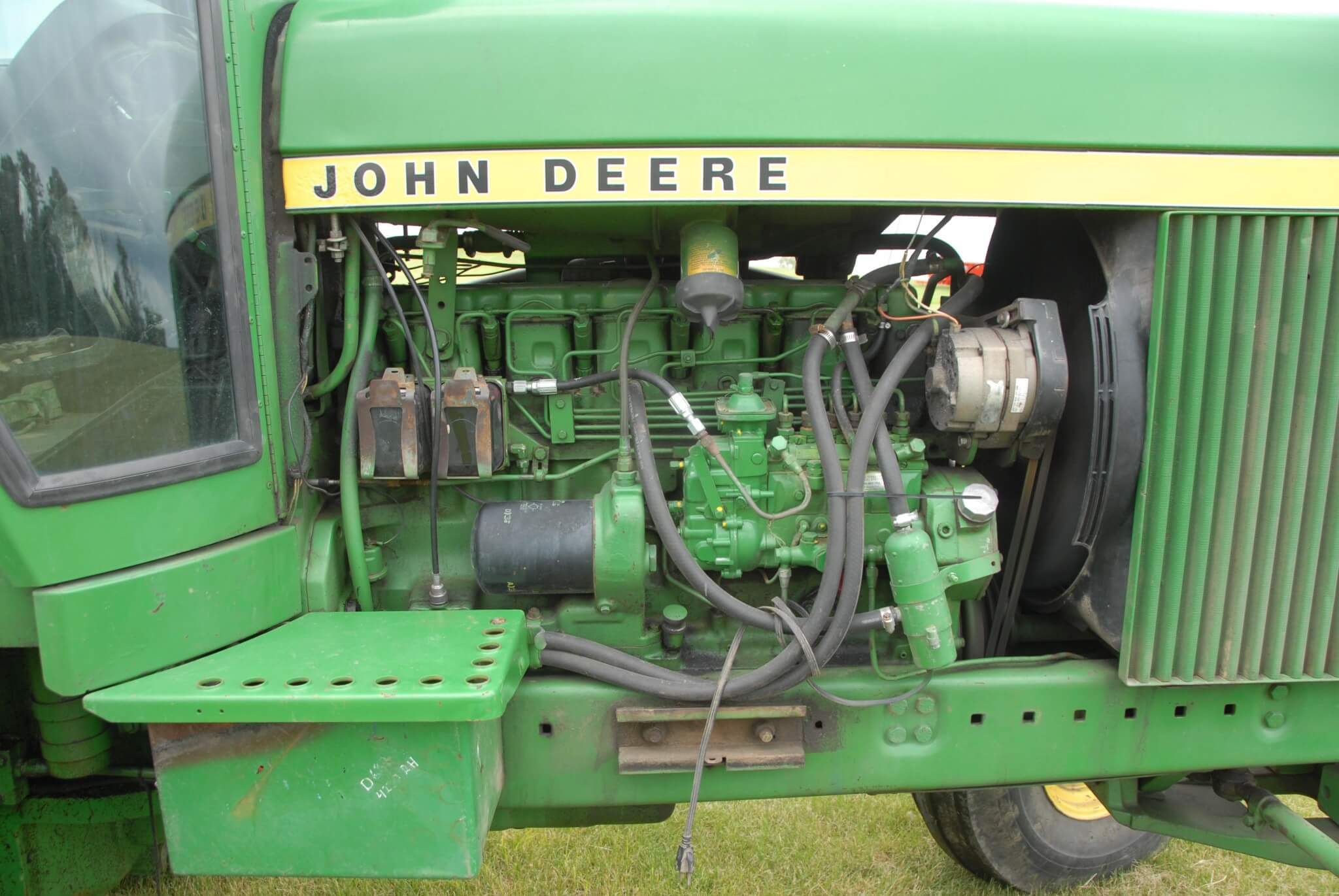
A diesel engine needs two things to thrive: clean fuel and plenty of air. Clogged fuel filters or blocked air intakes restrict the engine's ability to produce the horsepower required to turn the compressor end. Intake pipe leaks are particularly dangerous because they allow "unfiltered" air into the engine, which can lead to "dosing": where dirt particles act like sandpaper inside your cylinders.
How to Fix It:
Regularly verify that the fuel injection pump is functioning within the manufacturer's spec. If you notice hard starts, black smoke, or a loss of power under load, check the fuel delivery chain first. Inspect all intake piping and clamps for tightness to ensure no "dirty" air is bypassing the filters.
Maximizing Your Investment
A diesel air compressor is a significant investment. Whether you are looking at used generators for power or high-cfm compressors for industrial work, the goal is always the same: maximum uptime and minimum cost of ownership.
By avoiding these seven mistakes, you transition from a "run-to-fail" mindset to a proactive maintenance culture. This not only extends the life of your machinery but also ensures that when you are ready to upgrade, your equipment maintains a higher resale value.
At Swift Equipment Solutions, we specialize in helping businesses find the right tools for the job. From Caterpillar engines to specialized air compressor ends, we provide the expertise needed to keep your operations running smoothly. If your current unit is beyond a simple fix, or if you're looking to expand your fleet, explore our air compressors sale expertise to find a solution that fits your specific industrial needs.

Final Thoughts
The difference between a compressor that lasts 5,000 hours and one that lasts 20,000 hours usually comes down to the small things: the level of the oil, the cleanliness of the filters, and the speed with which a small leak is repaired. Don't let these common mistakes compromise your productivity. Treat your equipment with the professional care it deserves, and it will power your business for years to come.
If you are looking to buy or sell industrial equipment, or need advice on the best power solutions for your site, contact the team at Swift Equipment Solutions today. We are here to ensure you have the power and air you need, exactly when you need it.

Leave A Comment