
In the modern digital economy, data is the lifeblood of global commerce, healthcare, and communication. We live in an era where "five nines" (99.999%) availability isn't just a goal; it is a contractual obligation. For data center operators, a power outage is more than a technical glitch: it is a catastrophic event that can result in millions of dollars in lost revenue, compromised security, and a shattered reputation.
As the world trends toward renewable energy and greener alternatives, many wonder if the traditional diesel generator's days are numbered. However, the reality on the ground tells a different story. For mission-critical facilities where failure is not an option, diesel remains the undisputed king of backup power.
At Swift Equipment Solutions, we have spent years helping industrial facilities secure the power they need to stay online. In this deep dive, we explore the five core reasons why diesel generators continue to rule the data center landscape and why they remain the gold standard for mission-critical reliability.
Table of Contents
1. Exceptional Energy Density for Extended Runtime
When the grid goes dark, the first question every facility manager asks is: "How long can we hold out?"
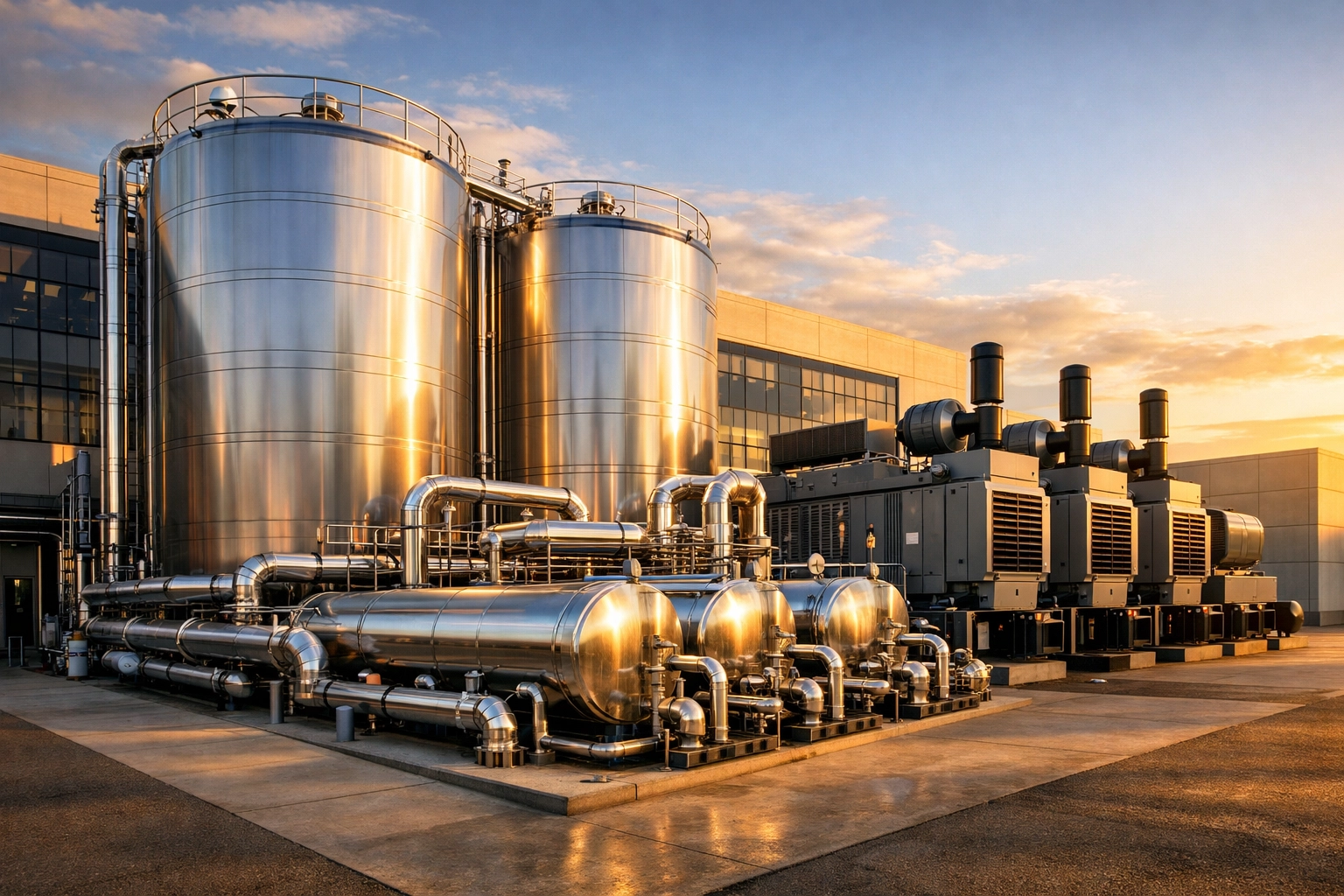
Diesel fuel is incredibly energy-dense. Compared to alternative fuels or battery storage systems, diesel provides a significantly higher amount of energy per unit of volume. This high energy density allows data centers to store a massive amount of potential electricity in a relatively small footprint.
Most Tier III and Tier IV data centers are designed to maintain operations for at least 72 to 96 hours using only on-site fuel. Achieving this same runtime with current battery technology would require a literal warehouse full of lithium-ion cells: an investment that is often space-prohibitive and financially unfeasible. Diesel's ability to provide long-duration fuel independence ensures that even during extended regional grid failures or natural disasters, the servers keep humming.
2. Ultra-Fast Startup and Seamless Failover
In a data center environment, the transition from grid power to backup power must be nearly instantaneous. While Uninterruptible Power Supply (UPS) systems handle the initial millisecond-level gap, they are only a bridge. They need a heavy-duty prime mover to take over the load within seconds.
Diesel engines are world-class in this regard. Modern diesel generators are engineered to go from a dead stop to full load-carrying capacity in 10 seconds or less. This rapid-start capability is a primary reason why they outperform natural gas generators in mission-critical applications. Natural gas engines often require more time to crank and stabilize, which puts a dangerous amount of strain on the UPS battery banks.
By choosing diesel, data center operators ensure that the "hand-off" between the UPS and the generator is seamless, meeting the strict NFPA 110 Level 1 requirements for emergency power systems.
3. On-Site Fuel Independence and Security
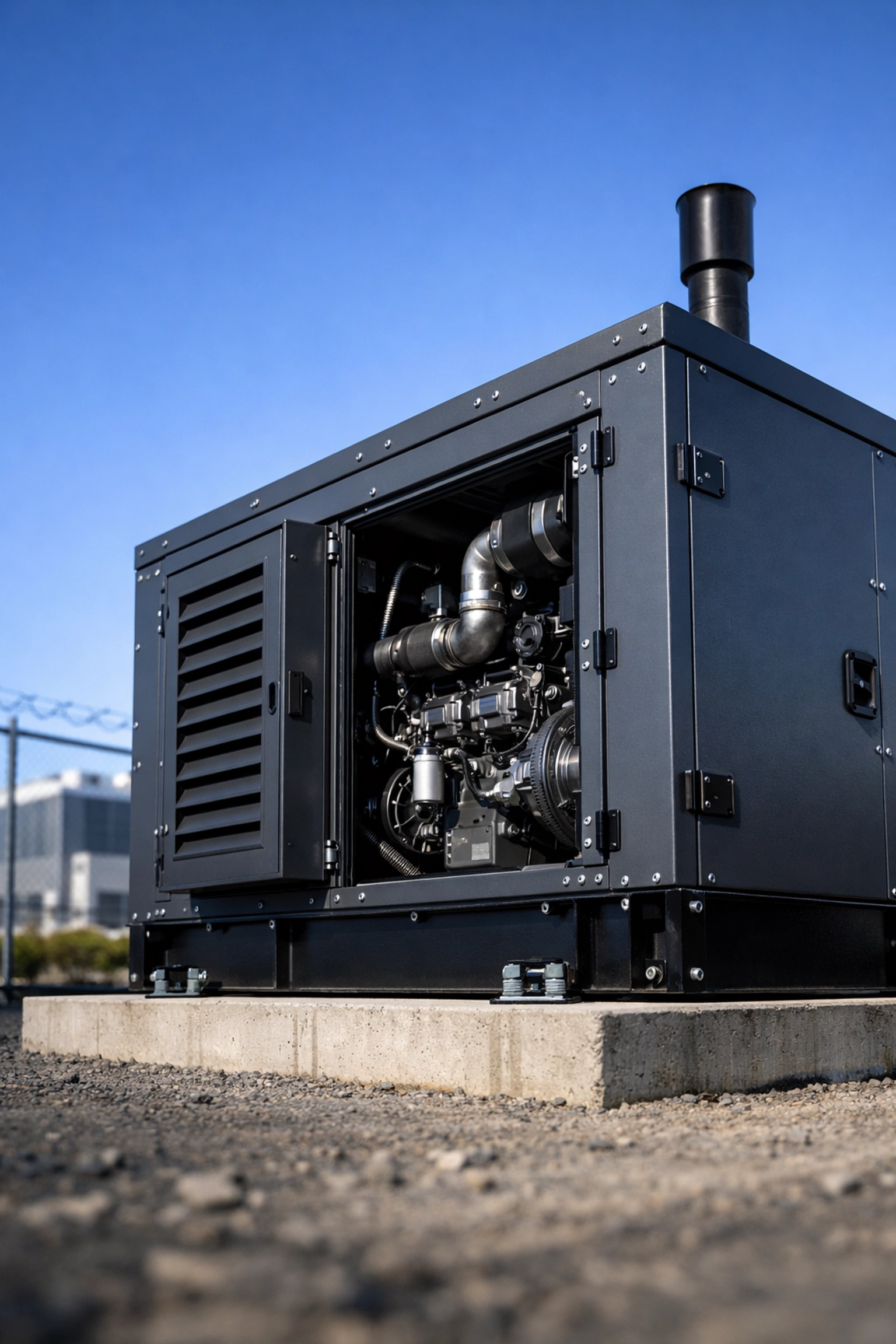
One of the most significant risks to any backup power system is the supply chain of the fuel itself. Natural gas is often cited as a "cleaner" alternative, but it relies on a physical pipeline infrastructure. If an earthquake, a major freeze, or a construction accident compromises the gas line, the generator becomes a multi-ton paperweight.
Diesel, however, is stored right there on the property. This on-site autonomy is the ultimate insurance policy. When you own the fuel in your tanks, you are not at the mercy of external infrastructure during a crisis.
For facilities looking to bolster this independence, sourcing high-quality used natural gas or diesel engines from reputable partners like Swift Equipment allows for the creation of redundant systems that can handle any scenario. This localized control over the energy source is a cornerstone of the "Five Nines" reliability model.
4. Mature Technology with a Global Support Ecosystem
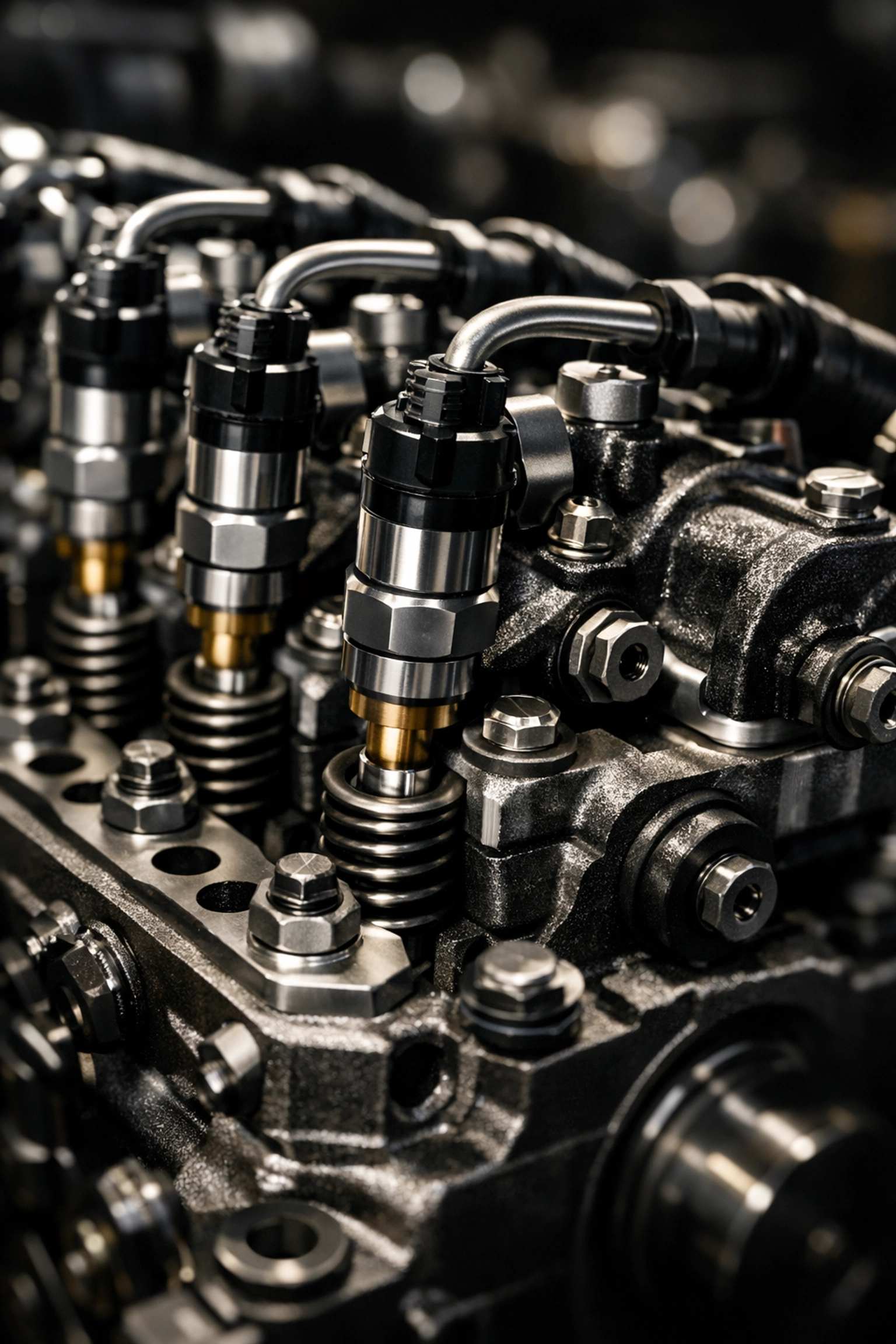
There is a certain peace of mind that comes with "tried and true" technology. Diesel engine technology has been refined over more than a century. This maturity results in lower failure rates and a highly predictable maintenance schedule.
For a mission-critical facility, the "mature" status of diesel means:
- Widespread Expertise: Every industrial technician knows how to service a diesel engine. Finding a qualified technician for a CAT, Cummins, or Kohler generator is significantly easier than finding a specialist for emerging hydrogen fuel cell technologies.
- Parts Availability: Because diesel is the industrial standard, parts like engine cores and parts or generator ends are readily available. At Swift Equipment Solutions, we specialize in ensuring these critical components are accessible when you need them most.
- Reliability Heritage: The mechanical simplicity of a compression-ignition engine means there are fewer delicate electronics to fail compared to complex turbine systems or experimental green tech.
5. Meeting Industry "Five Nines" Through Redundancy
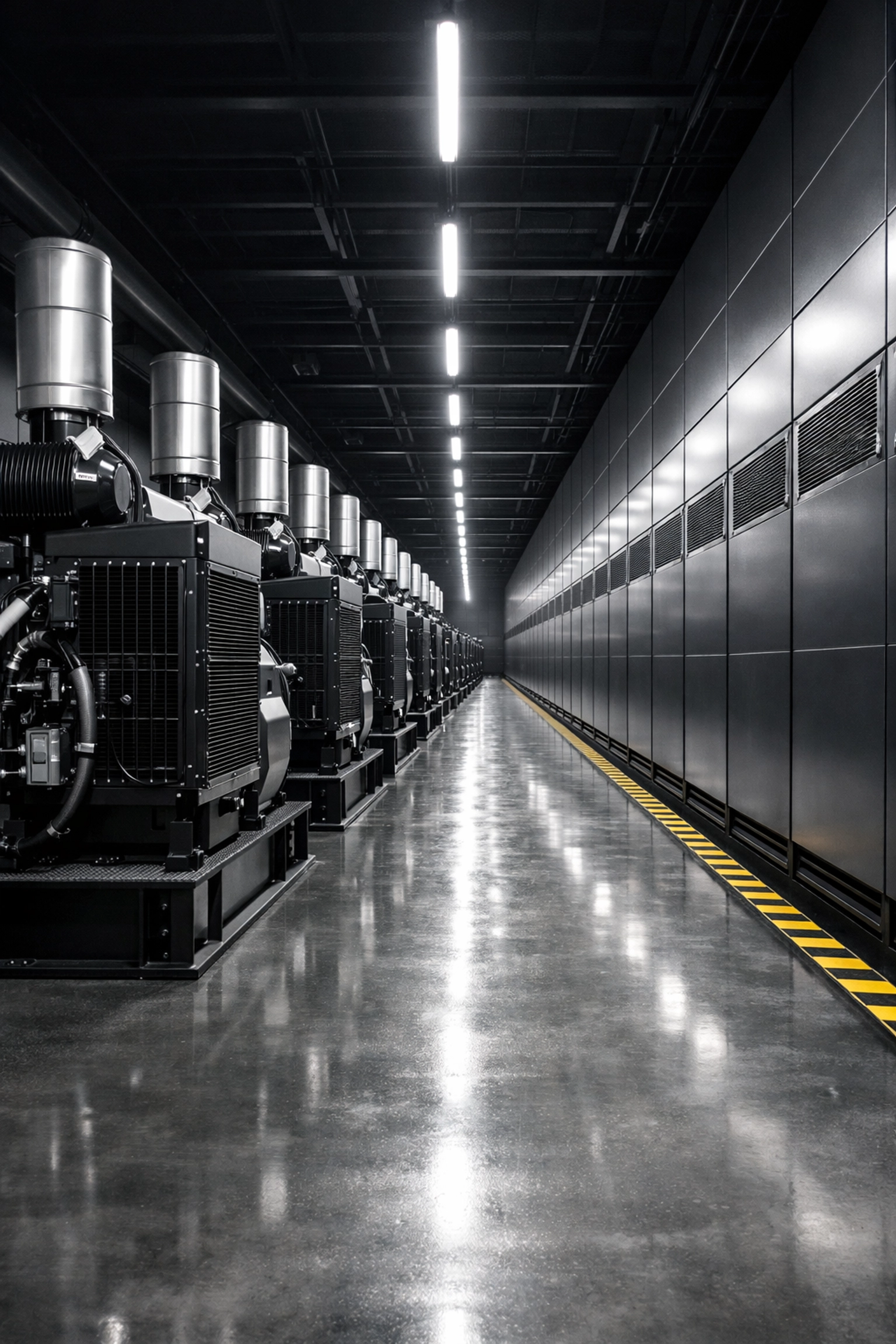
The ultimate goal of any data center is 99.999% uptime. To achieve this, engineers design systems with "N+1" or "2N" redundancy. This means having more generator capacity than is strictly necessary so that if one unit fails or requires maintenance, the others can carry the load without interruption.
Diesel generators are uniquely suited for parallel configurations. They can be synchronized easily to provide a massive pool of power that scales with the facility's needs. Because diesel units are available in a wide range of sizes: from small 50kW units to massive 3MW+ powerhouses: operators can customize their redundancy strategy with precision.
Furthermore, the resale market for this equipment is robust. Companies can buy and sell industrial generators to upgrade their capacity as their data center expands, ensuring they always have the most reliable hardware on the line.
Swift Equipment: Your Partner in Mission-Critical Power
While the industry continues to explore hybrid solutions and Hydrotreated Vegetable Oil (HVO) to reduce carbon footprints, the fundamental physics and reliability of the diesel engine remain unmatched for backup applications.
At Swift Equipment Solutions, we understand that for your data center, uptime isn't just a metric: it's your promise to your customers. We provide a comprehensive range of new and used generators designed to meet the rigorous demands of mission-critical facilities.
Whether you are looking to install a primary backup system for a new build or need to source air compressors ends and parts for your facility's maintenance, our team of experts is here to help. Our deep inventory and technical knowledge ensure that you get the right equipment at the right time.
Conclusion
The data center of the future may look different, but the core need for reliable, rapid-response backup power will never change. Diesel generators continue to rule because they solve the most difficult problems of power protection: they start fast, they run long, and they work when everything else fails.
If you are ready to secure your facility's future and ensure that your uptime never wavers, contact us today or explore our About Us page to learn more about how Swift Equipment Solutions can empower your mission-critical operations. In the world of data, every second counts( make sure you have the power to stay online.)

Leave A Comment