
As the Atlantic hurricane season approaches, industrial facility managers and business owners face a critical window of time. For an industrial operation, power isn't just about keeping the lights on: it’s about maintaining climate control for sensitive inventory, powering life-safety systems, and preventing catastrophic data loss or equipment damage. When the grid goes down during a major storm, your industrial generator is the only thing standing between business continuity and a total shutdown.
However, a backup generator is not a "set it and forget it" piece of equipment. Without a rigorous preparedness strategy, a generator that worked perfectly last year might fail the moment it’s needed most. This guide provides a comprehensive, actionable checklist to ensure your power systems are ready to weather the storm.
Table of Contents
Phase 1: Mechanical and Fluid Inspection
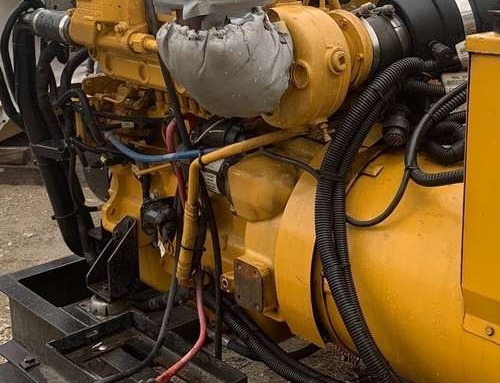
The engine of an industrial generator is essentially a heavy-duty vehicle engine that sits stationary for long periods. This stationary nature creates its own set of risks, from fluid settling to seal degradation.
1. Oil and Coolant Levels
Check the engine oil level and clarity. If the oil is dark, gritty, or has been in the unit for more than a year (or 200 operating hours), change it immediately. Similarly, check the coolant levels and the condition of the hoses. High-heat environments, common before a hurricane strikes, can cause rubber hoses to become brittle and crack.
- Inspect oil level and consistency.
- Check coolant levels and antifreeze concentration.
- Inspect all hoses for soft spots, leaks, or cracks.
2. Filters (Air, Fuel, and Oil)
Clean air intake is vital for engine combustion. Check the air filters for debris or dust accumulation. More importantly, check the fuel filters. If your unit has been sitting, there may be sediment at the bottom of the tank that can clog filters the moment the fuel pump starts working at high capacity.
- Replace air filters if dirty.
- Ensure spare fuel and oil filters are in stock on-site.

Phase 2: The Fuel Strategy
Fuel failure is one of the most common reasons industrial generators fail during extended outages. Whether you use diesel or natural gas, your fuel supply chain must be locked down.
1. Fuel Quality and Polishing
Diesel fuel degrades over time. Moisture from humidity can lead to the growth of "fuel algae" or microbes that clog injectors. If your fuel is more than 6-12 months old, consider fuel polishing: a process that removes water and sediment from the tank.
- Test fuel for microbial growth and water content.
- Perform fuel polishing if contamination is found.
2. Inventory and Refill Agreements
In the wake of a hurricane, fuel delivery becomes a logistical nightmare. Roads may be blocked, and fuel supplies are often prioritized for hospitals and emergency services.
- Fill the tank to 100% capacity before the storm enters the "watch" phase.
- Verify existing contracts with fuel delivery vendors. Ensure you are on a "priority" refill list.
- If you utilize used natural gas or diesel engines, ensure the supply lines are inspected for integrity.
Phase 3: Battery and Electrical Systems
If the battery is dead, the generator won't start, regardless of how much fuel is in the tank. Statistics show that battery failure is the #1 cause of generator "failure to start" incidents.
1. Battery Health Check
Standard lead-acid batteries have a lifespan of about 2 to 3 years in industrial applications. Even if the battery shows a surface charge, it may not have the "cranking amps" necessary to turn over a massive industrial engine under load.
- Clean all battery terminals to remove corrosion.
- Measure the specific gravity of the electrolyte (for unsealed batteries).
- Perform a load test on the battery to ensure it can handle the start-up surge.
2. Automatic Transfer Switch (ATS) Testing
The ATS is the "brain" that tells the generator to start when it senses a loss of utility power. If the ATS fails, the generator is useless.
- Test the ATS manually to ensure it switches over smoothly.
- Inspect the electrical connections for any signs of arcing or overheating.
- If your system requires upgrades, consider browsing Generator Accessories to ensure you have the latest monitoring components.

Phase 4: Load Bank Testing
Perhaps the most overlooked step in hurricane prep is the load bank test. Running a generator with "no load" (just turning it on and letting it idle) does not prove that it will work when the facility actually needs power.
Why Load Bank Testing is Critical
Industrial diesel engines can suffer from "wet stacking," a condition where unburnt fuel accumulates in the exhaust system because the engine hasn't reached its operating temperature. A load bank test involves connecting the generator to an artificial electrical load to force the engine to work at 100% capacity.
- Perform a 2-hour to 4-hour load bank test annually.
- Monitor the cooling system during the test to ensure the unit doesn't overheat.
- Verify that the generator can maintain its rated frequency and voltage under a full load.
If your current unit fails this test significantly, it may be time to look into used generators that have been professionally tested and certified for immediate deployment.
Phase 5: Physical Site Hardening
A hurricane brings more than just rain; it brings high winds and potential flooding. If your generator is at ground level in a flood-prone area, it is a liability.
1. Secure the Perimeter
High winds can turn loose objects into projectiles.
- Clear any debris, loose pallets, or equipment within 30 feet of the generator.
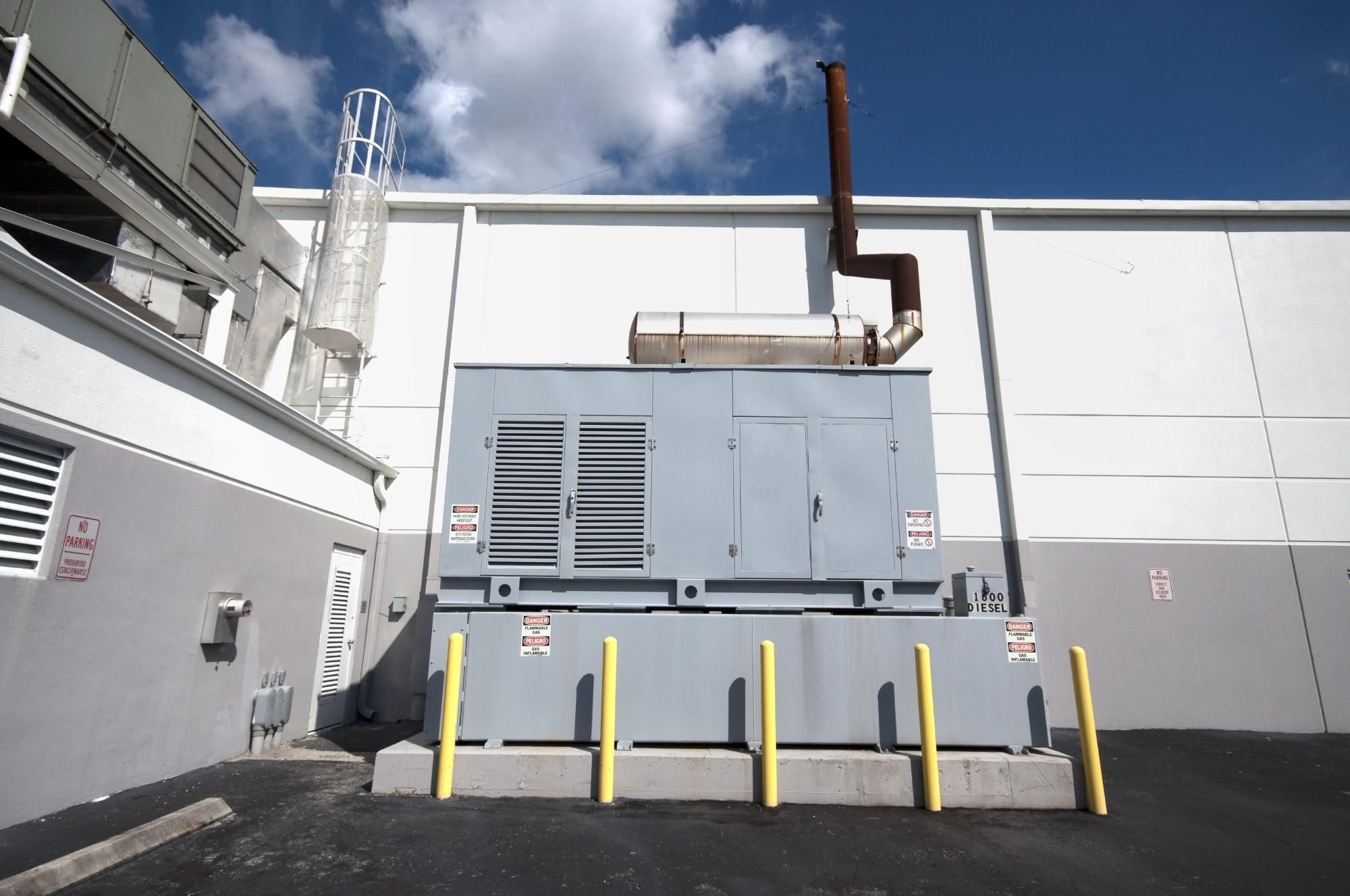
- Ensure the generator enclosure is securely bolted to its concrete pad.
- Check that all enclosure doors latch properly and won't be ripped open by 100mph winds.
2. Water Mitigation
- Ensure the generator's intake and exhaust are shielded from horizontal rain.
- If the unit is in a basement or low-lying area, ensure the sump pumps are on a separate backup or are gravity-fed away from the unit.
- Consider elevating control panels or sensitive industrial equipment replacement parts if flood risk is high.

Phase 6: Personnel and Safety Protocols
The best equipment in the world is only as good as the people operating it. Ensure your team knows exactly what to do when the power flickers.
- Establish a Start-Up Team: Who is responsible for checking the unit once the storm passes?
- Safety Training: Remind all staff that generators produce carbon monoxide. Never operate a portable or semi-mobile unit inside a closed warehouse.
- Documentation: Keep a physical logbook near the generator containing the last service date, fuel levels, and emergency contact numbers for Swift Equipment Solutions.
The Value of Proactive Replacement
Sometimes, despite the best maintenance, an older generator simply isn't reliable enough for a critical hurricane season. If your unit is over 20 years old or has a history of intermittent failures, the risk of downtime may outweigh the cost of an upgrade.
At Swift Equipment Solutions, we specialize in providing high-quality Caterpillar Engines and Generators and Cummins Engines and Generators that are built to handle the most demanding conditions. Replacing an aging unit before a storm hits is significantly cheaper than dealing with the aftermath of a facility-wide power failure.
Summary Checklist for Immediate Action:
- Fluid Check: Oil, Coolant, and Fuel.
- Battery: Load test and terminal cleaning.
- Fuel: Fill the tank and check for water contamination.
- Load Bank: Run the unit at capacity for at least two hours.
- Clearance: Remove debris from the surrounding area.
- Parts: Order spare filters and belts now.
Hurricane season doesn't wait for you to be ready. By following this checklist, you ensure that when the grid goes dark, your facility stays bright. For expert advice on maintaining your fleet or to find a more reliable power solution, visit our about us page or explore our full inventory of industrial generators.
Stay safe, stay prepared, and keep the power running.

Leave A Comment