
In the industrial sector, compressed air is often referred to as the "fourth utility." Whether you are running a construction site, a manufacturing plant, or a specialized workshop, a reliable air compressor is essential to keeping your operations fluid. However, the price tag of a brand-new, high-capacity compressor can be a significant hurdle for many growing businesses. This is where the secondary market becomes an invaluable resource.
Buying used allows you to secure top-tier machinery at a fraction of the cost, but it isn't without its risks. Navigating the specs, service histories, and mechanical nuances requires a keen eye and technical knowledge. At Swift Equipment Solutions, we specialize in bridging the gap between high-performance needs and budget realities. To help you make an informed decision, we’ve compiled the ten most critical factors you should consider before signing on the dotted line for a used air compressor.
Table of Contents
1. Understanding Your Air Requirements: CFM and PSI
The most common mistake buyers make is purchasing a compressor based on horsepower alone. While horsepower is a general indicator of size, the two numbers that actually matter are CFM (Cubic Feet per Minute) and PSI (Pounds per Square Inch).
- PSI (Pressure): This determines the "force" of the air. Most industrial tools require about 90 to 100 PSI, but specialized applications like sandblasting or high-pressure drilling may require much more.
- CFM (Volume): This is the amount of air the compressor can move. If your tools require 50 CFM and your compressor only provides 40, your tools will stall or run inefficiently.
When looking at used equipment, always verify that the unit can maintain the required CFM at your specific operating PSI. It is generally recommended to buy a machine that offers 20-30% more capacity than your current maximum requirement to allow for future growth and to prevent the machine from running at 100% capacity constantly, which leads to premature wear.
2. Choosing the Right Power Source: Diesel
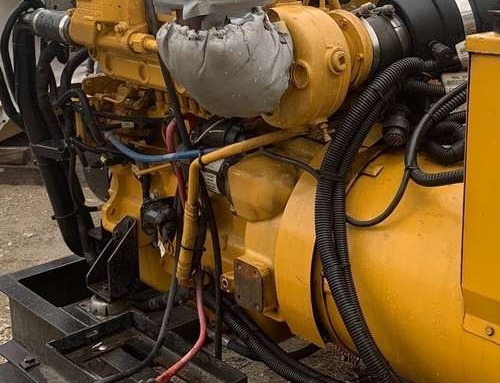
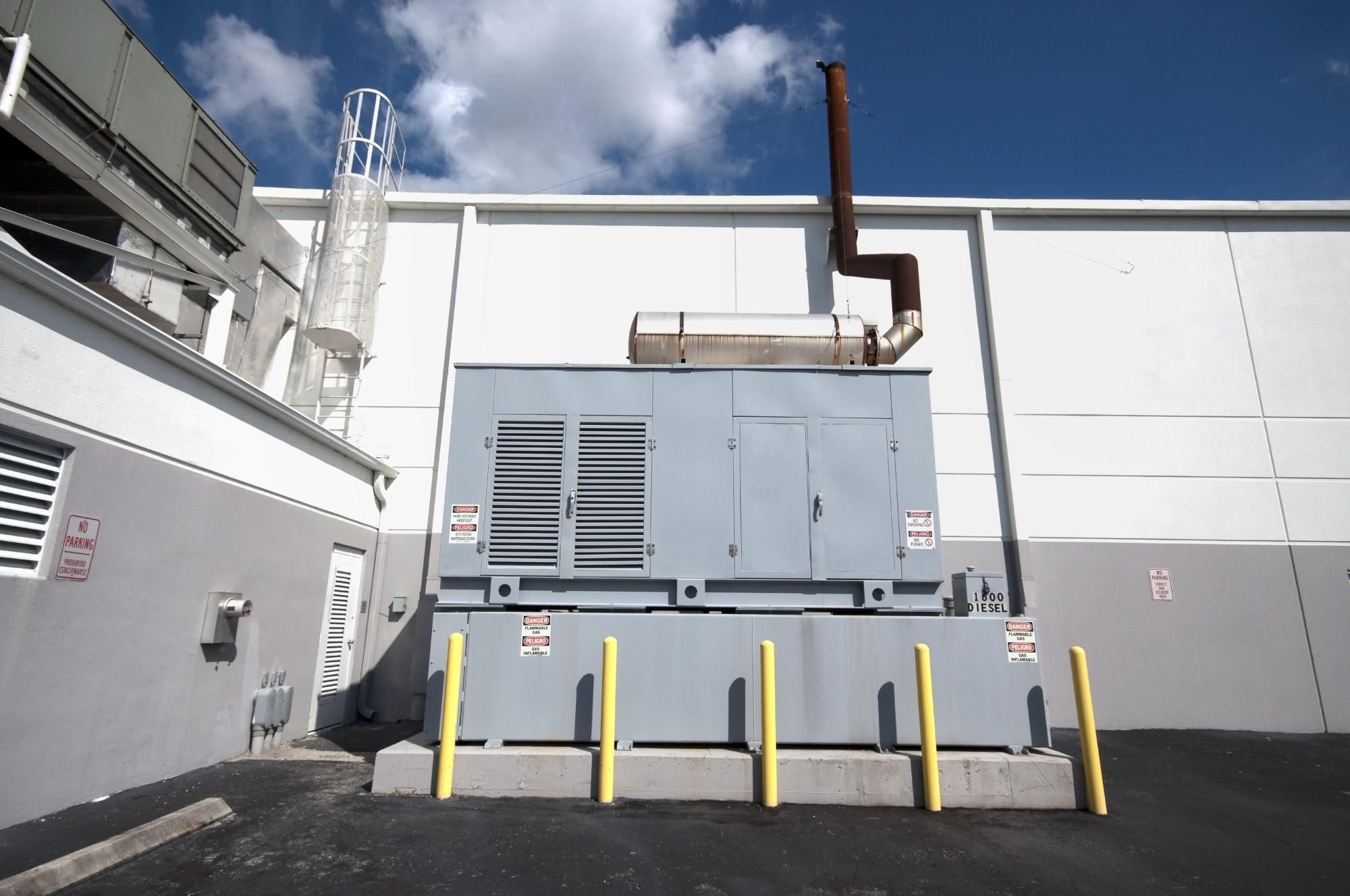
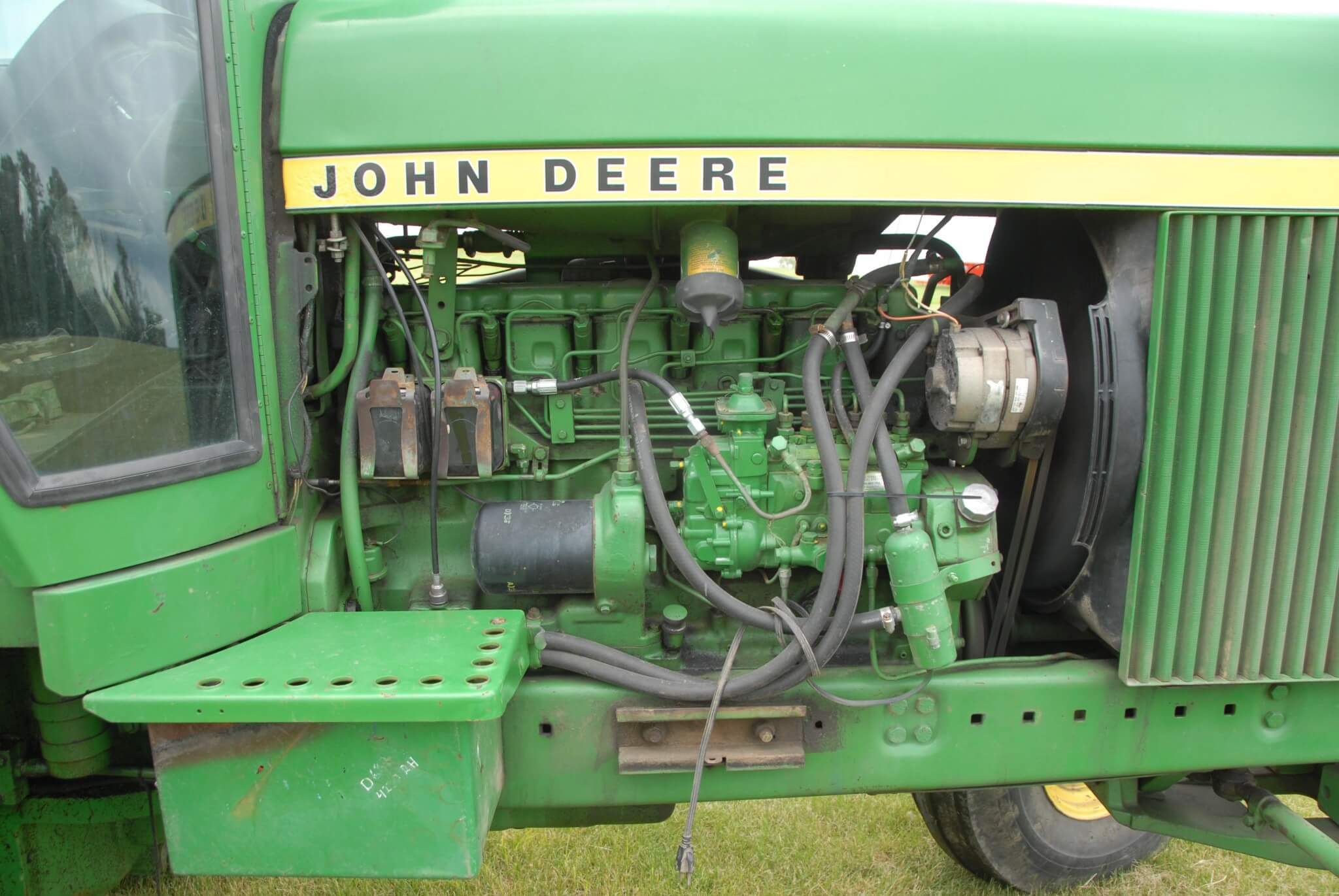
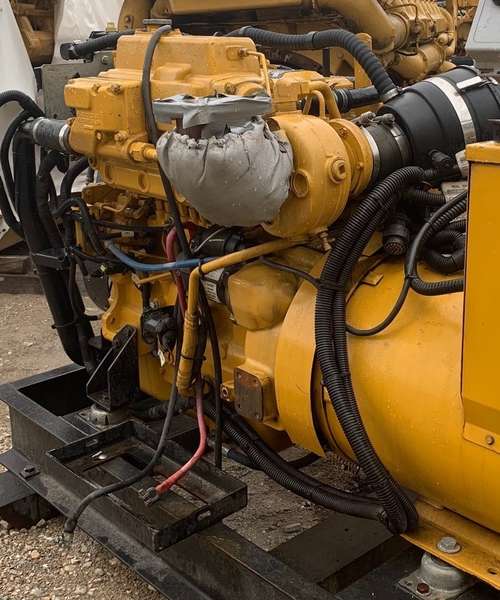
The environment in which you operate will largely dictate your power source. At Swift Equipment, we carry a wide range of diesel air compressors, which are the gold standard for outdoor and remote job sites.
- Diesel Compressors: These are the workhorses of the construction and oilfield industries. Because they are self-contained, they can be deployed anywhere. They offer higher mobility and are often built to withstand harsher environmental conditions.
Consider long-term diesel fuel costs and your on-site refueling logistics when choosing the right unit.
3. Hours on the Machine: Why They Matter (And Why They Don't)
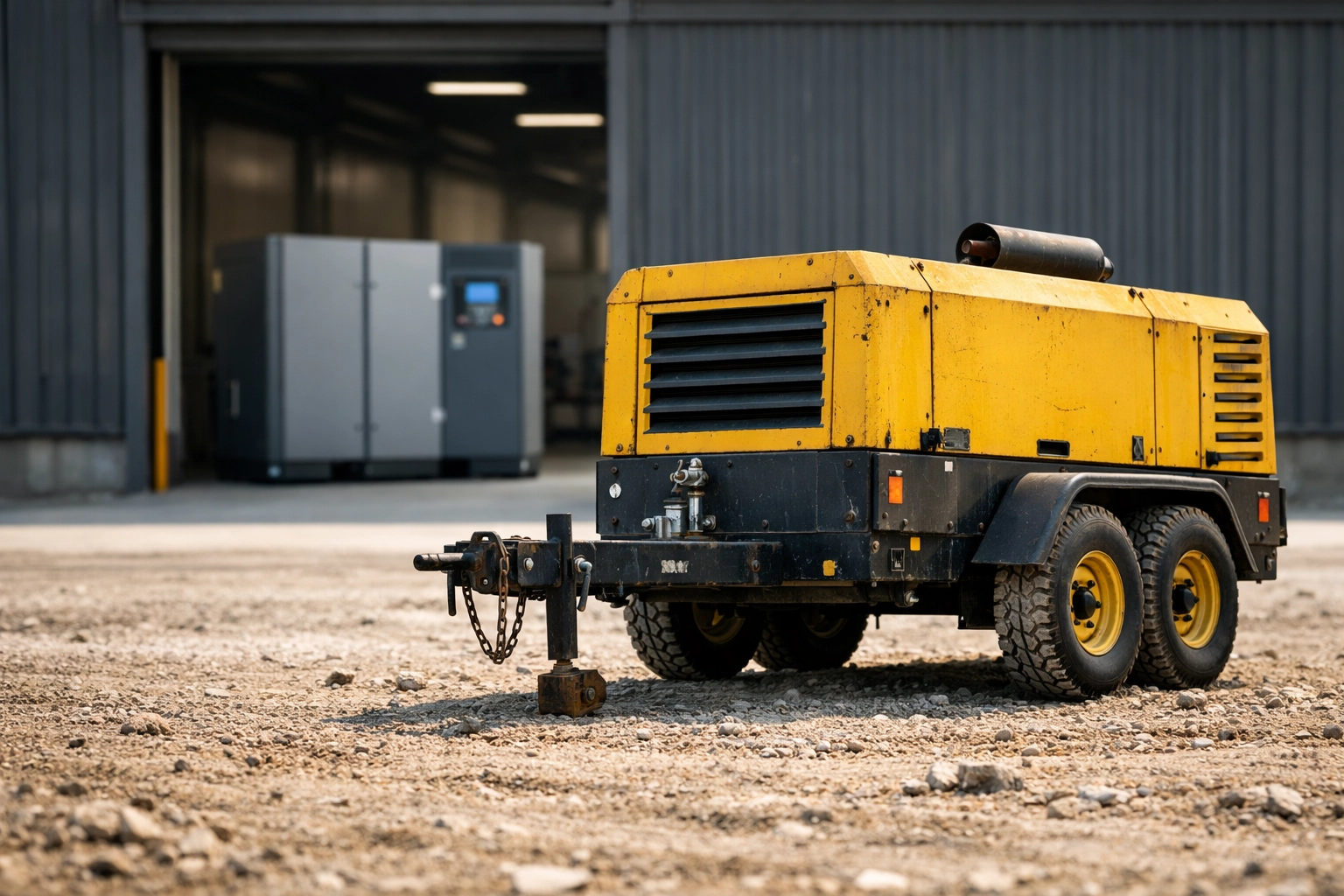
Just like the odometer on a car, the hour meter on a compressor tells a story. However, 5,000 hours on a machine that was meticulously maintained is often better than 1,000 hours on a machine that was neglected.
In the world of industrial compressors, you will see two types of hour readings: Run Hours and Loaded Hours. Loaded hours represent the time the compressor was actually compressing air, which is the true measure of wear on the air end. When evaluating a used unit, ask for both figures. High hours are not necessarily a deal-breaker, but they should be reflected in the price and the intensity of your pre-purchase inspection.
4. Maintenance History and Service Records
A "bargain" compressor is no longer a bargain if it hasn't had an oil change in three years. Documentation is everything. When dealing with reputable sellers, you should be able to see a history of:
- Oil and filter changes.
- Separator replacements.
- Valve inspections.
- Cooling system flushes.
If a seller cannot provide service records, you must assume the maintenance has been reactive rather than proactive. At Swift Equipment, we prioritize units with a clear "paper trail," ensuring that the internal components have been protected from the heat and friction that lead to catastrophic failure.
5. Brand Reputation: Trusting the Leaders
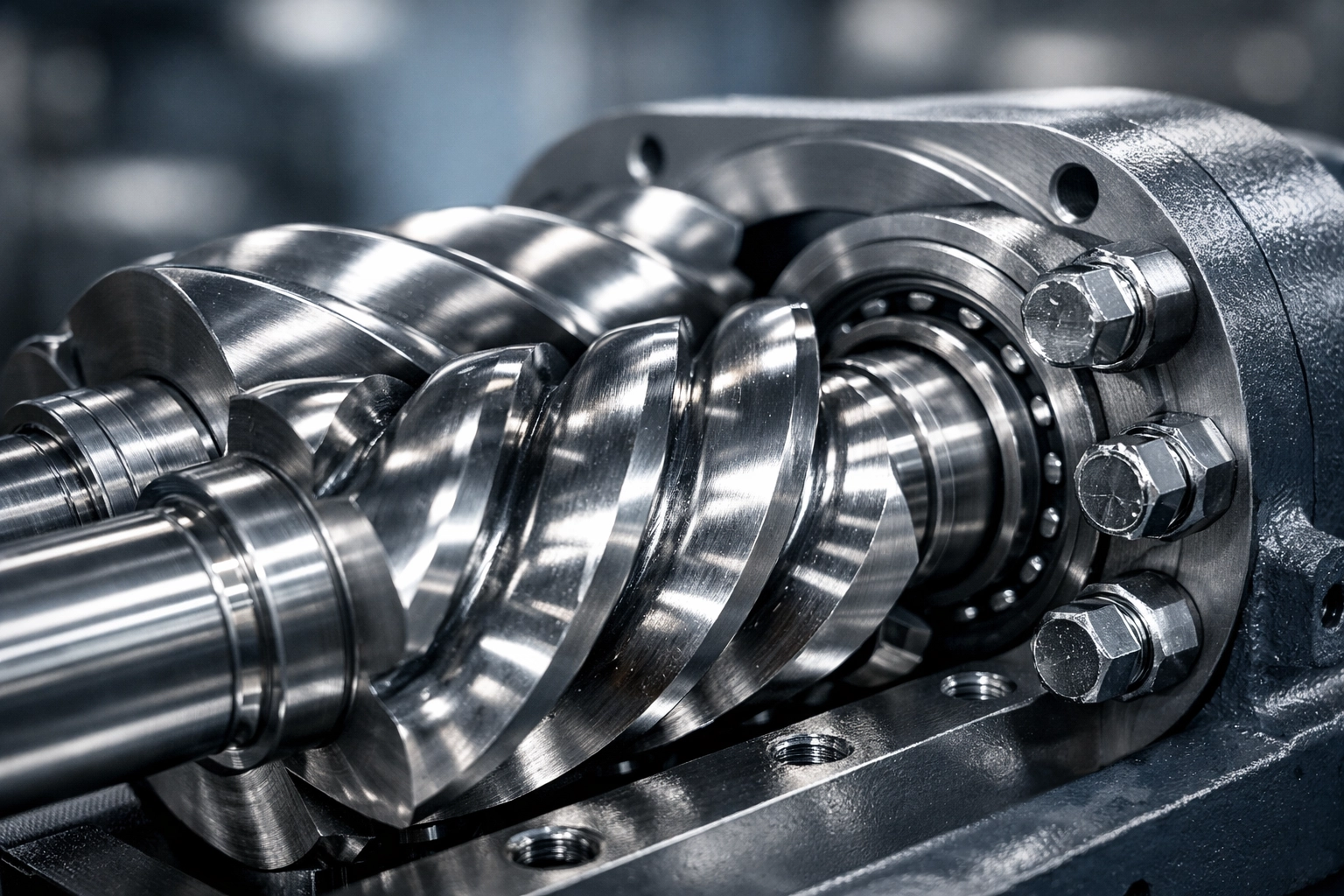
In the industrial equipment world, some names stand taller than others. Choosing a recognized brand isn't just about the logo; it’s about the availability of air compressor ends and parts and the ease of finding qualified technicians.
We frequently stock and recommend:
- Sullair: Known for their legendary rotary screw technology and durability.
- Atlas Copco: A global leader in energy-efficient designs and advanced control systems.
- Ingersoll Rand: Highly reliable units with a massive support network across North America.
Buying a "no-name" or obscure brand might save you money upfront, but the moment a specialized seal or controller fails, you may find yourself with an expensive paperweight that no one can fix.
6. Portability Needs: Skid-Mounted vs. Trailer
How often will you move the machine?
- Trailer-Mounted: If you are a contractor moving from site to site daily, a trailer-mounted unit is non-negotiable. Ensure the trailer is DOT-compliant, the tires are in good condition, and the lights are functional.
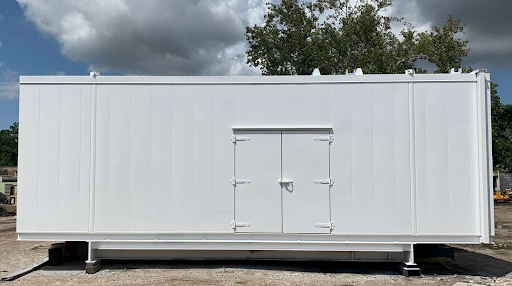
- Skid-Mounted: If the compressor will sit in a single location for months at a time: such as a factory floor or a long-term mining project: a skid-mounted unit is often preferred. They have a smaller footprint and are easier to secure against theft or environmental hazards.
7. Inspection and Testing: The Swift Equipment Process
You should never buy a used industrial asset "blind." If you cannot inspect the machine in person, you must rely on a seller who performs rigorous testing.
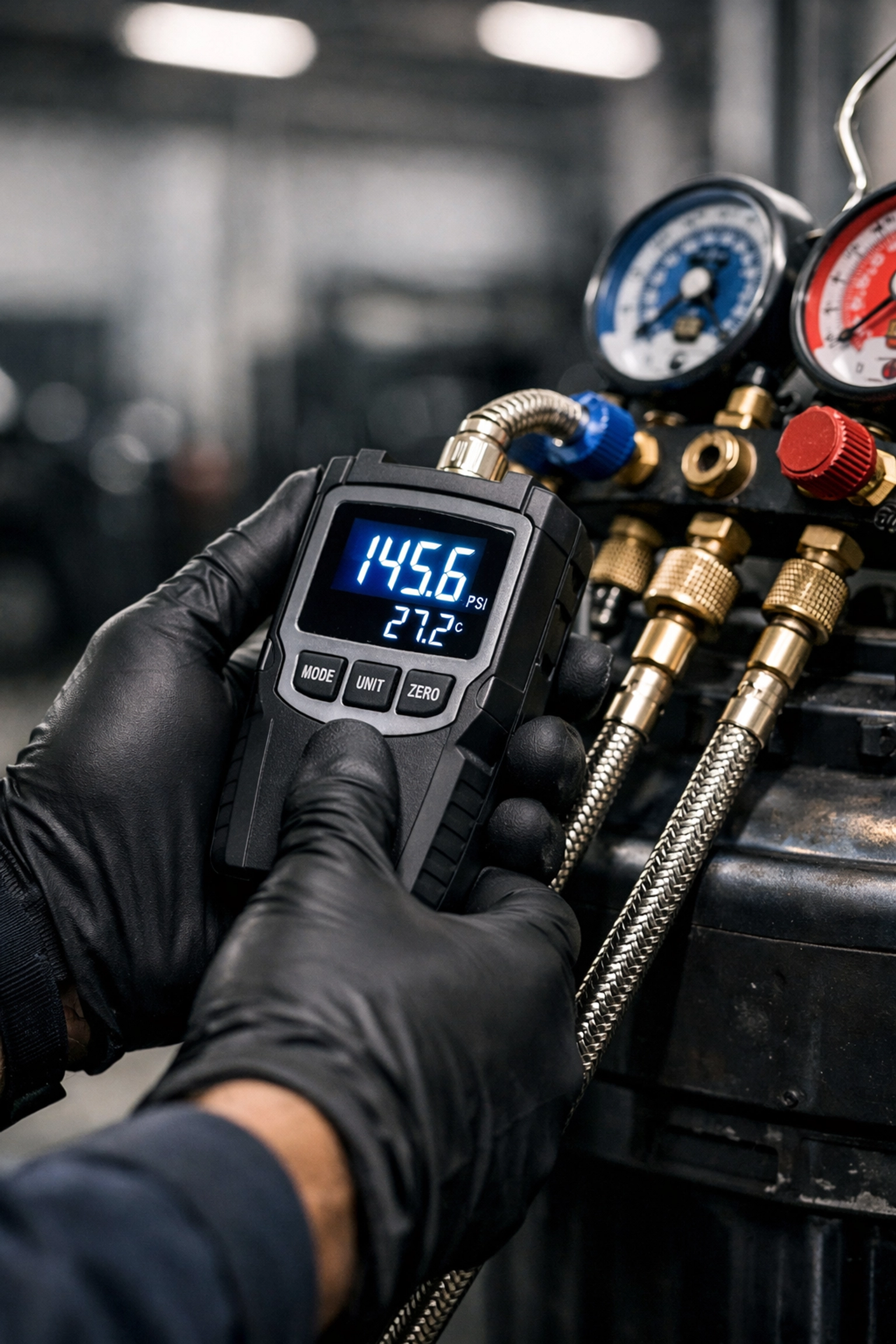
Our inspection process at Swift Equipment Solutions involves more than just turning the key. We perform:
- Load Bank Testing: Ensuring the engine and the air end can handle full capacity without overheating or dropping pressure.
- Leak Detection: Checking for oil, fuel, and air leaks that could indicate failing seals or cracked hoses.
- Vibration Analysis: Identifying potential bearing failures before they happen.
- Fluid Analysis: Checking the oil for metal shavings or contaminants that signal internal engine or compressor wear.
This rigorous vetting ensures that when the equipment arrives at your site, it is ready to work from day one.
8. Warranty and Support
The biggest fear when buying used is that the machine will fail a week after the check clears. While most used equipment is sold "as-is," reputable dealers often offer limited short-term warranties or "guaranteed operational" promises.
Beyond the warranty, consider the support. Does the seller have the technical expertise to troubleshoot a problem over the phone? Can they source parts quickly? At Swift Equipment, our relationship with the client doesn't end at the point of sale; we pride ourselves on being a long-term resource for your industrial equipment and parts needs.
9. Total Cost of Ownership (TCO) vs. Initial Price
The purchase price is only the tip of the iceberg. To find the true value of a used compressor, you must calculate the Total Cost of Ownership. This includes:
- Fuel Efficiency: An older, less efficient unit might cost you thousands more in diesel over its remaining lifespan.
- Immediate Repairs: Does the unit need new tires, filters, or a battery?
- Downtime Risk: What is the cost to your business if this machine fails for 48 hours?
Sometimes, paying a bit more for a lower-hour, well-documented machine from a trusted dealer results in a much lower TCO over five years than the "cheapest" unit found on a local classifieds site.
10. Ready-to-Ship Inventory
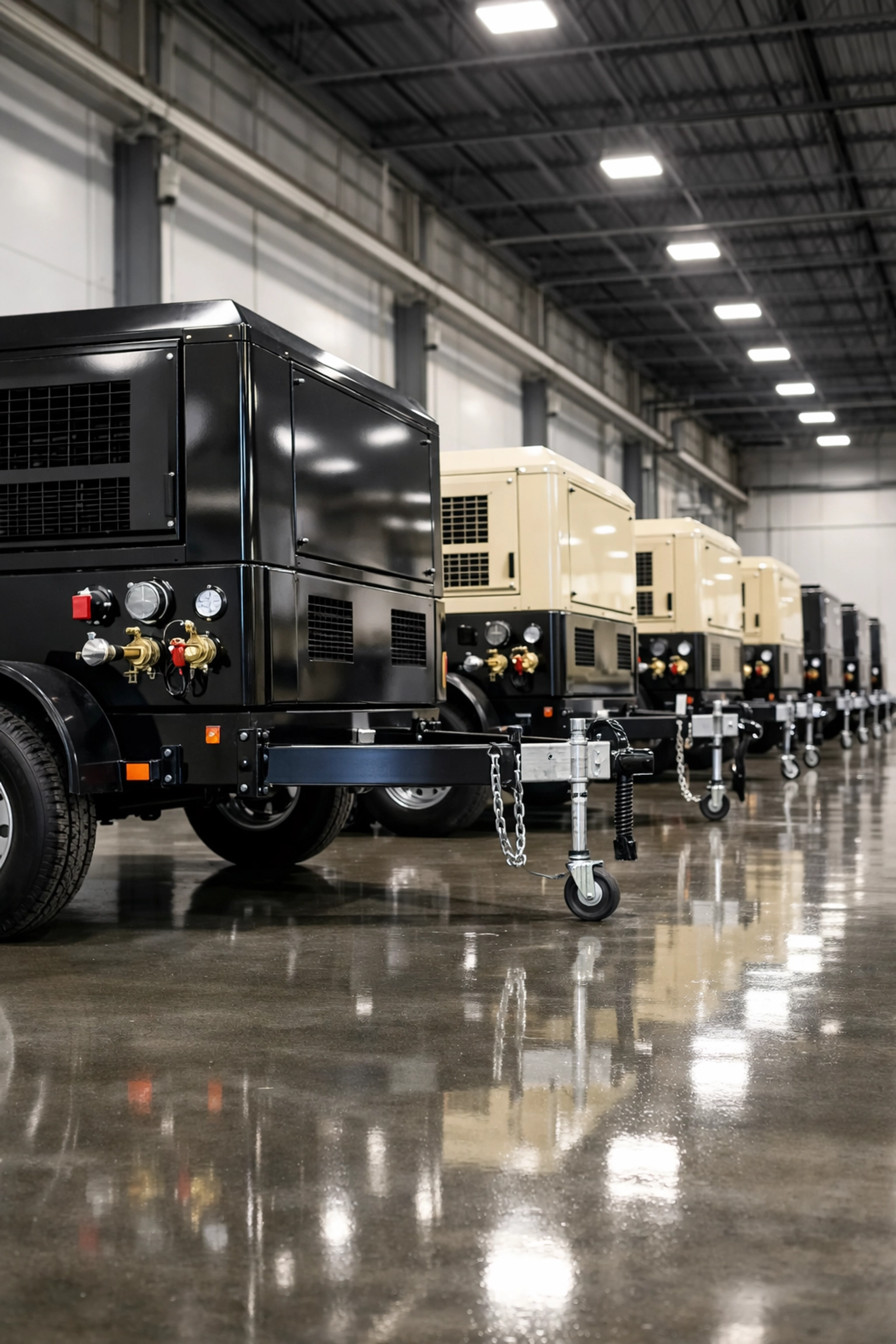
In the current industrial climate, lead times for new equipment can stretch into months or even years. One of the greatest advantages of buying used is immediate availability.
However, you need to ensure the seller actually has the equipment in stock. Some brokers list equipment they don't physically own, leading to delays and communication breakdowns. We maintain a robust, ready-to-ship inventory of air compressors and engines. When you have a project starting next week, you need a partner who can load a unit onto a truck today.
Making the Right Choice with Swift Equipment Solutions
Buying a used air compressor is a strategic move that can significantly boost your ROI and operational flexibility. By focusing on the technical requirements (CFM/PSI), verifying the maintenance history, and choosing a reputable brand, you mitigate the risks associated with used machinery.
At Swift Equipment Solutions, we understand that you aren't just buying a machine; you’re buying the power to get your job done. Whether you need a portable diesel unit for a remote site or a stationary diesel unit for your plant, our team of experts is here to help you navigate the specs and find the perfect match for your budget.
Ready to find your next compressor? Browse our current inventory of diesel air compressors or contact us today to discuss your specific requirements. We specialize in providing the heavy-duty solutions that keep American industry moving.

Leave A Comment