
Purchasing an industrial generator is a significant capital investment for any facility. Whether you are managing a data center, a manufacturing plant, or a remote construction site, reliable power is non-negotiable. While a brand-new unit might seem like the safest bet, the secondary market for industrial power generation has grown significantly, offering high-quality equipment at a fraction of the cost and, more importantly, with immediate availability.
However, buying a used generator isn’t as simple as picking a model and signing a check. It requires a technical understanding of your facility’s needs and a thorough vetting of the equipment's history. At Swift Equipment Solutions, we specialize in bridging the gap between technical requirements and available inventory.
To help you navigate this process, here are the 10 most critical things you should know before purchasing a used industrial generator.
Table of Contents
1. Accurately Determining Power Requirements (kW vs. kVA)
The most common mistake in purchasing power equipment is improper sizing. If a generator is too small, it will struggle to handle start-up surges, leading to frequent shutdowns or equipment damage. If it is too large, you risk "wet stacking": a condition where unburnt fuel accumulates in the exhaust system due to operating at too low a temperature: which can severely shorten the engine’s lifespan.
When evaluating a unit, you must look at:
- Kilowatts (kW): The actual power the generator can provide to perform work.
- Kilovolt-Amperes (kVA): The apparent power, which includes the real power (kW) and the reactive power.
In industrial settings, most generators are rated for a 0.8 power factor. To ensure your facility remains operational, you must calculate both your continuous load and your peak surge requirements (the "inrush current" required to start large motors). Our team at Swift Equipment Solutions provides tailored consultations to help you match your specific electrical loads with the right generator capacity.
2. Choosing the Right Fuel Type: Diesel vs. Natural Gas
The debate between diesel and natural gas often comes down to your infrastructure and how you intend to use the machine.
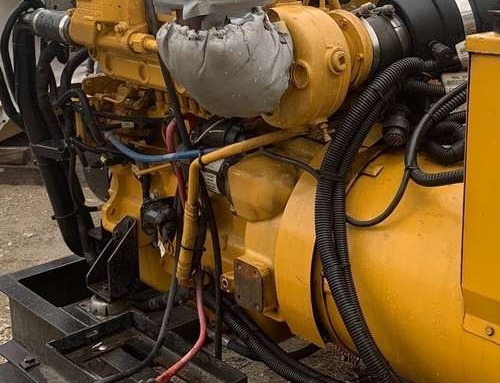
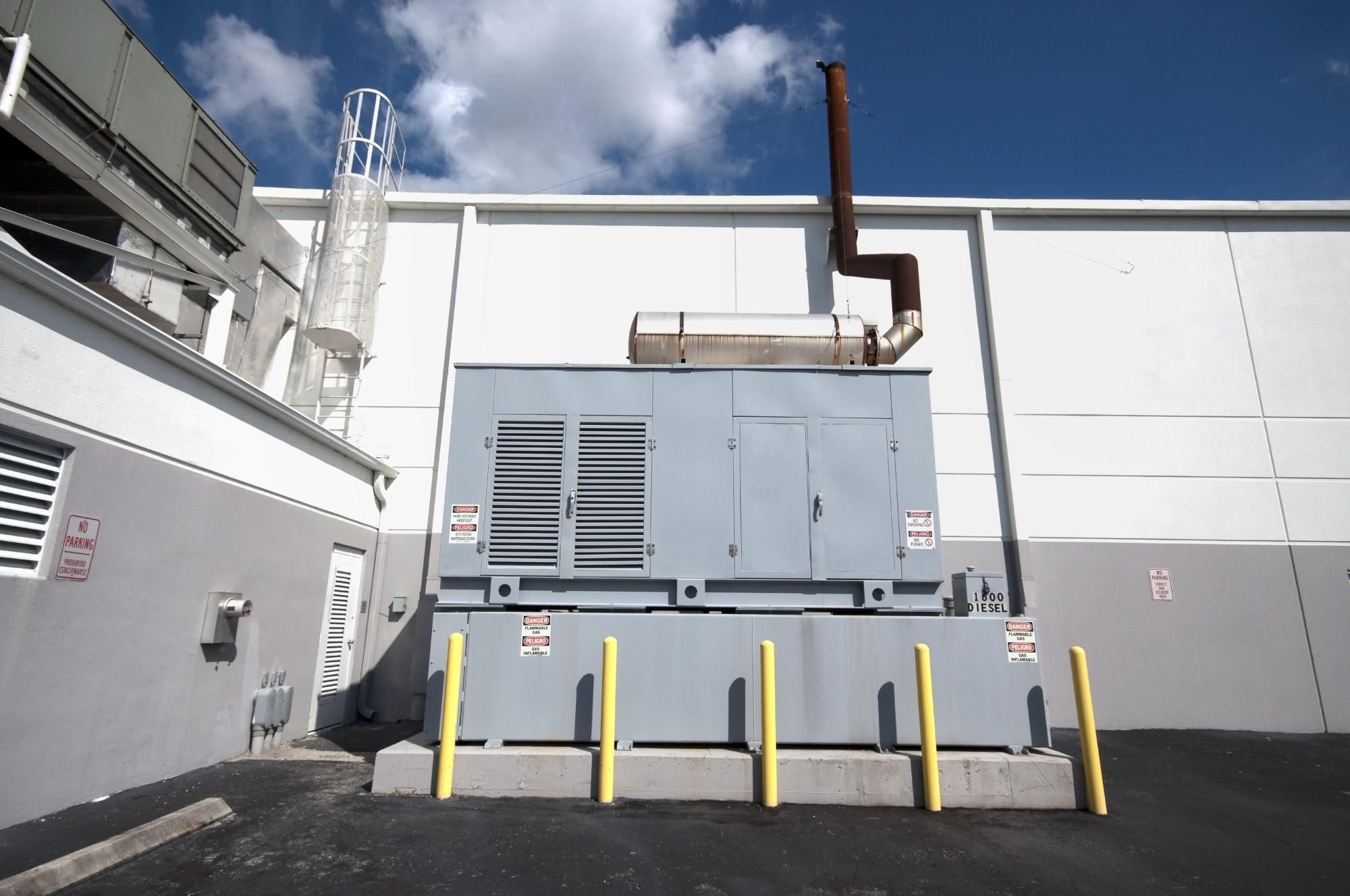
- Diesel Generators: Known as the industrial workhorse, diesel units are prized for their durability and high power density. They are easier to maintain in remote areas because fuel can be delivered and stored on-site. For mission-critical standby power, diesel is often the preferred choice due to its rapid start-up time.
- Natural Gas Generators: These units are often favored in urban environments or facilities where a natural gas line is already present. They run cleaner, meeting stricter EPA emissions standards more easily, and they eliminate the need for on-site fuel storage and the risks of fuel degradation over time.
For more complex setups, you may even consider used natural gas or diesel engines for specific industrial applications or microgrid integration.
3. Interpreting Hours of Operation
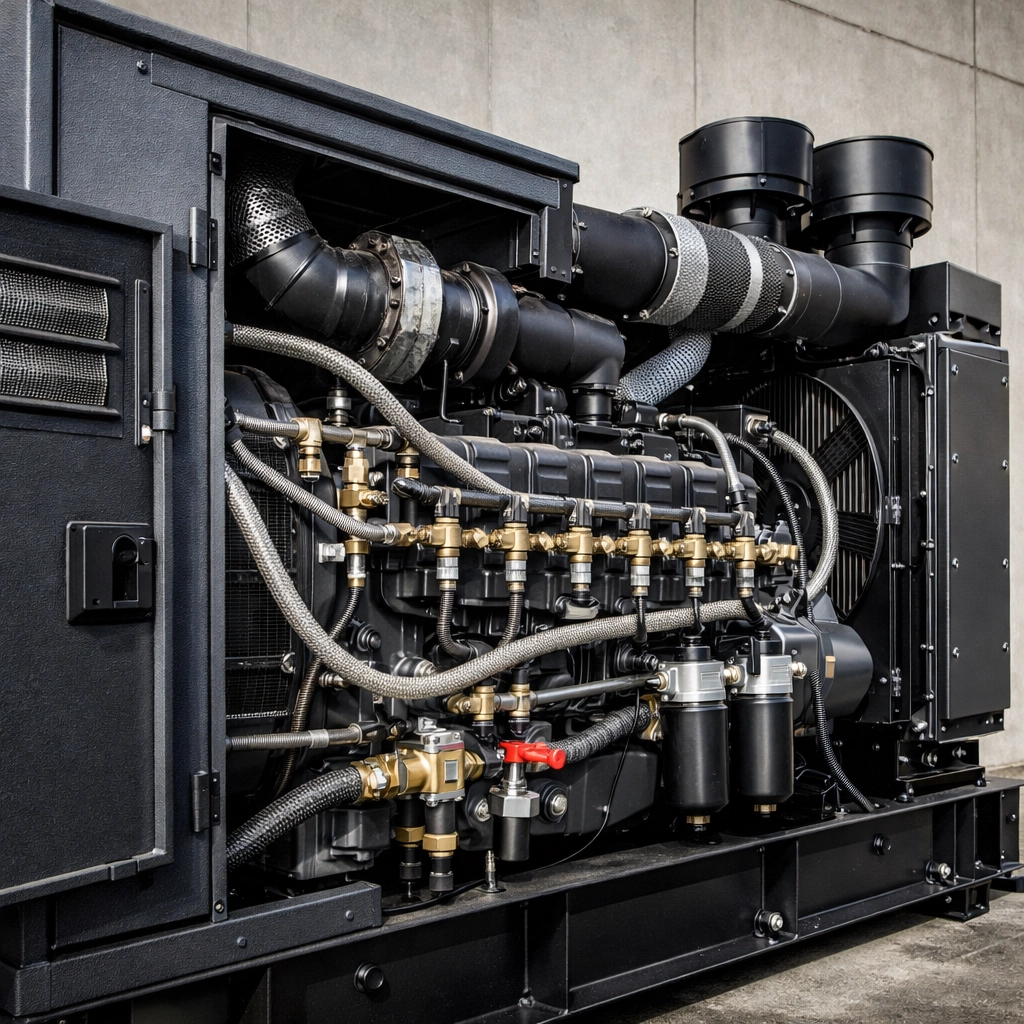
In the world of industrial machinery, the "odometer" is the hour meter. However, hours should be interpreted differently than mileage on a car. A high-quality industrial engine from a brand like Caterpillar or Cummins is typically designed to run for 15,000 to 20,000 hours before requiring a major overhaul.
- Low Hours (0–2,000): Usually found in standby units that only ran during testing or rare power outages. These are highly sought after.
- Medium Hours (2,000–8,000): Common in units used for prime power in lighter applications.
- High Hours (10,000+): These units require a deep dive into maintenance history to ensure a rebuild has been performed or is scheduled.
A unit with 5,000 hours that was meticulously maintained is often a better investment than a 500-hour unit that sat idle for a decade without a single oil change.
4. The Necessity of Maintenance Records and Service History
A used generator is only as good as its maintenance history. Without documentation, you are taking a massive gamble on the internal health of the engine and the alternator.
When reviewing a unit, look for:
- Oil and Filter Changes: Regular intervals indicate the previous owner cared for the equipment.
- Cooling System Flushes: Prevents corrosion and overheating.
- Battery Replacements: Vital for ensuring the unit starts when needed.
- Major Repairs: If a turbocharger or fuel injector was replaced, knowing why and who did the work is crucial.
At Swift Equipment Solutions, we prioritize units with verifiable histories to ensure our customers aren't buying someone else’s problem.
5. Prioritizing Brand Reputation
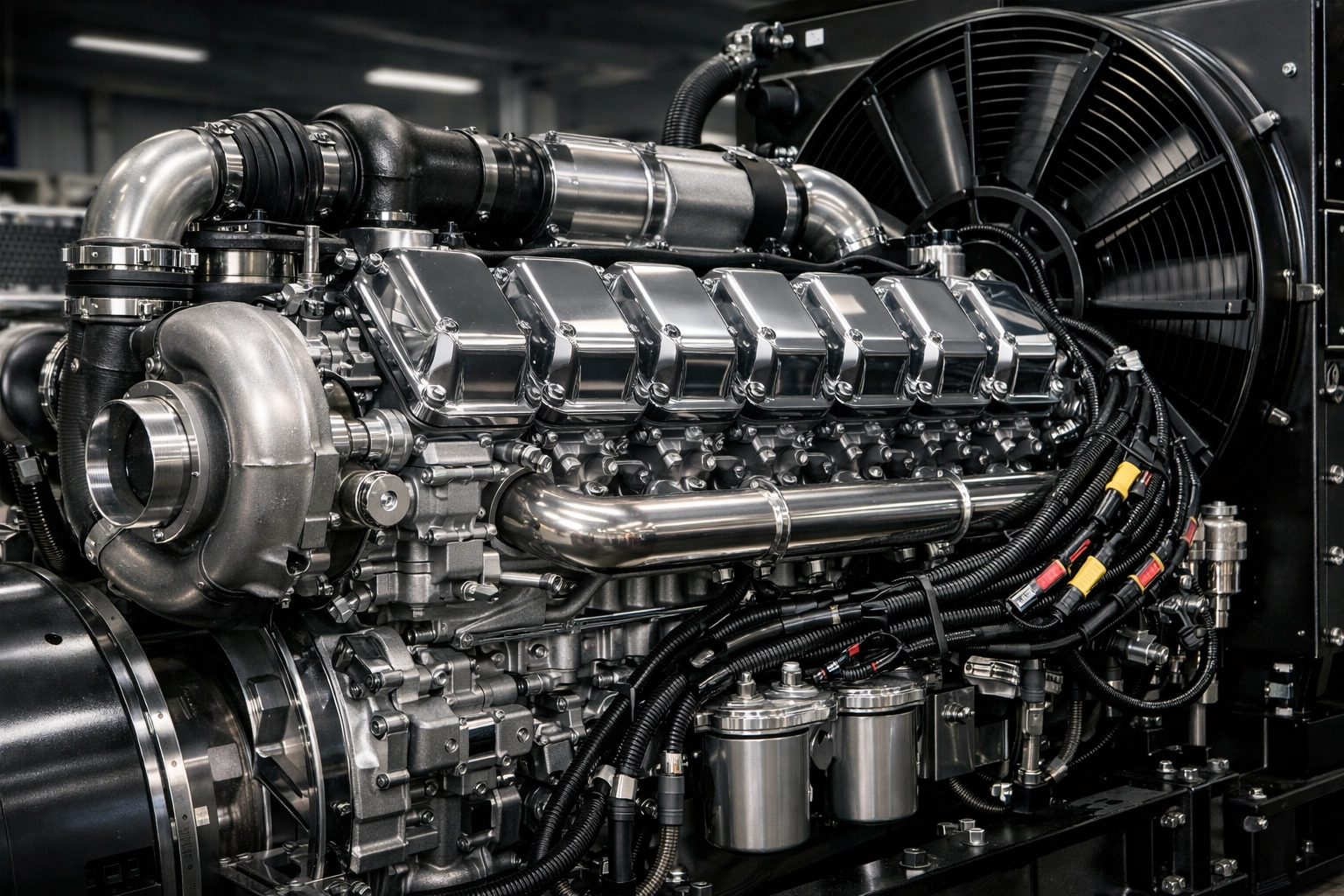
In the industrial power sector, brand names carry weight for a reason: parts availability and service network. Choosing a reputable manufacturer ensures that decades from now, you can still find the gaskets, filters, and electronic control modules (ECMs) needed to keep the unit running.
We focus on industry leaders including:
- Caterpillar: Known for extreme durability and a global parts network. See our Caterpillar Engines and Generators section.
- Cummins: Famous for reliability and ease of service. Explore our Cummins inventory.
- Kohler: A leader in integrated power systems and standby solutions. View Kohler Generators.
- Generac: Often favored for commercial and light industrial standby applications.
6. Understanding the Application Type: Prime, Standby, or Continuous
How the generator was previously used: and how you intend to use it: determines its rating and expected longevity.
- Standby Rating: Designed for emergency backup only. These units are not meant to run at 100% load for extended periods.
- Prime Power Rating: Designed to be the primary power source where there is no utility grid. They can handle varying loads for long durations.
- Continuous Rating: Designed to provide power at a constant 100% load for an unlimited number of hours per year.
Using a standby-rated generator for a prime power application will lead to premature engine failure and will likely void any existing warranties.
7. Load Testing and Inspection: The Swift Process
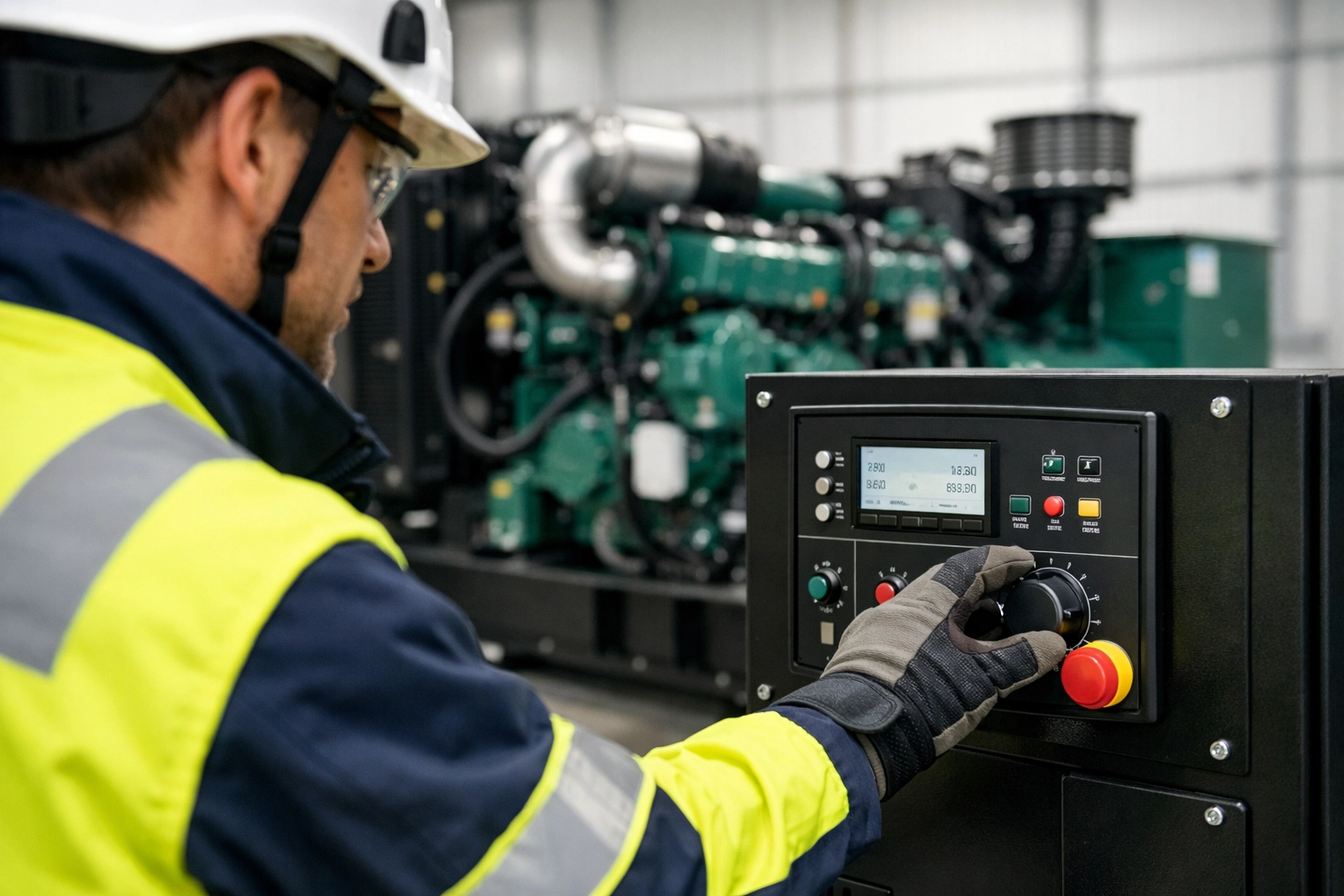
You should never buy a used generator "as-is" without a professional load test. A load test involves connecting the generator to a load bank: a piece of equipment that mimics the electrical demand of your facility: and running it at various capacities (typically 25%, 50%, 75%, and 100%).
At Swift Equipment Solutions, our inspection process is rigorous. We don't just "turn it on"; we monitor:
- Oil Pressure and Temperature: Ensuring the engine stays within operating specs.
- Voltage and Frequency Stability: Ensuring the power produced is clean and safe for your equipment.
- Exhaust Clarity: Checking for signs of poor combustion or internal leaks.
Our technical experts ensure every unit leaving our facility meets the specific performance standards required for its next industrial home.
8. Warranty and Post-Sale Support
One of the biggest risks of buying from a private seller or an unknown broker is the lack of support once the transaction is complete. What happens if the unit arrives and doesn't start?
Buying through a reputable dealer like Swift Equipment provides a layer of protection. We offer various levels of post-sale support and, in many cases, warranty options that private sellers simply cannot match. This ensures that your investment is protected from day one.
9. Lead Times: Immediate Availability vs. New Surplus
One of the primary drivers for buying used is the lead time. Currently, lead times for brand-new industrial generators from the factory can range from 12 to 24 months due to supply chain constraints.
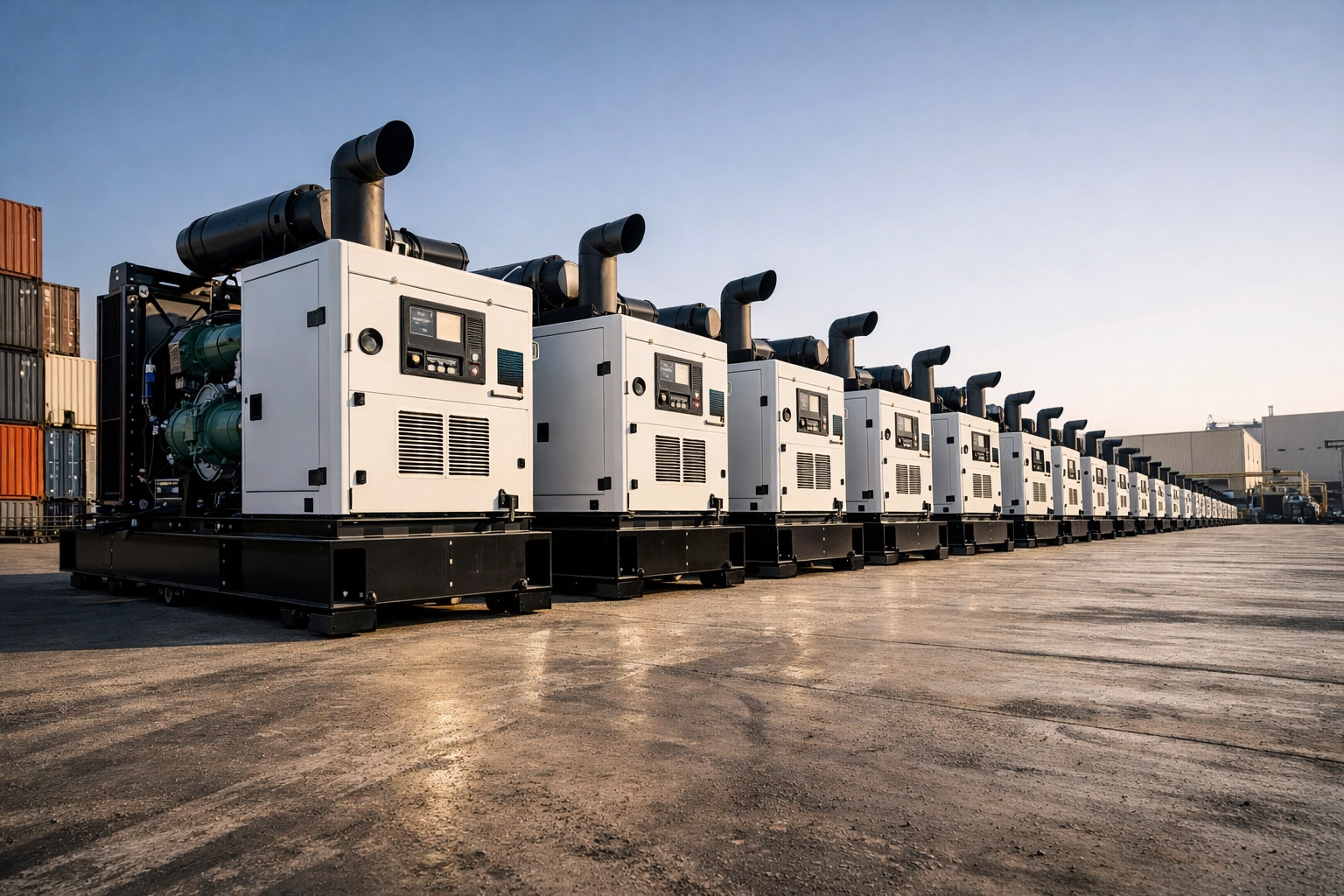
In contrast, our inventory of used and "new surplus" (units that were purchased but never installed) is available for immediate shipment. If your project is on a tight deadline, a high-quality used unit is often the only viable path to staying on schedule.
Explore our Generator Ends and Accessories for components that are ready to ship when you need them.
10. Budget and Total Cost of Ownership (TCO)
The "sticker price" of a used generator is just one part of the financial equation. To understand the true cost, you must factor in:
- Freight and Logistics: Moving a 10,000lb generator requires specialized transport.
- Installation: Involving electrical contractors and possibly concrete pad work.
- Maintenance: Initial servicing to bring the unit up to your facility’s standards.
- Fuel Consumption: Some older models may be less fuel-efficient than modern counterparts.
Used generators typically save buyers between 30% and 70% compared to new models. However, the real value is found in a unit that balances a low purchase price with high operational efficiency.
Making an Informed Decision
Buying a used industrial generator is a strategic move that can save your company hundreds of thousands of dollars while securing your power supply. However, the technical complexities mean you shouldn't go it alone.
At Swift Equipment Solutions, we pride ourselves on being more than just a marketplace. We are a technical partner. Whether you need a specific Caterpillar unit or help designing a microgrid power plant, we provide the expertise to ensure your equipment is right for the job.
If you are ready to explore reliable, tested, and high-quality power solutions, browse our current inventory of industrial generators today. Our team is standing by to help you find the exact specs your facility demands.

Leave A Comment