
For industrial facility managers, choosing a primary or backup power source is one of the most critical infrastructure decisions on the table. In an era where downtime can cost thousands of dollars per minute, the debate between natural gas and diesel generators remains a central focus. Both technologies have evolved significantly over the last decade, narrowing the gap in performance while maintaining distinct advantages and drawbacks.
Whether you are powering a remote mining site, a data center, or a local manufacturing plant, the right choice depends on your specific operational requirements, local regulations, and long-term budget. At Swift Equipment Solutions, we specialize in helping facilities navigate these complexities.
In this guide, we will break down the fundamental differences between natural gas and diesel generators, comparing them across five key categories: reliability, fuel availability, maintenance, cost-effectiveness, and environmental impact.
Table of Contents
Diesel Generators: The Industrial Standard for Reliability
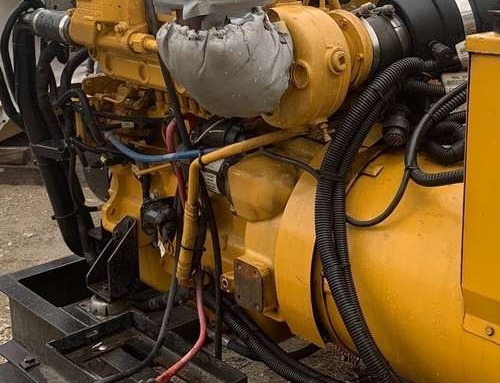
Diesel generators have long been the "gold standard" for heavy-duty industrial applications. Known for their ruggedness and high power density, they are designed to handle the most demanding environments on earth.
Efficiency and Power Density
One of the primary reasons diesel remains king in the industrial sector is energy density. Diesel fuel contains roughly 129,000 BTU per gallon, compared to approximately 37,000 BTU per unit of natural gas. This means that, for the same volume of fuel, diesel delivers significantly more usable energy. From a mechanical standpoint, diesel engines are typically 20% to 40% more efficient than their natural gas counterparts.
Rapid Response and Load Handling
In a critical power failure, every second counts. Diesel generators are engineered to go from a cold start to full-load capacity in as little as 10 seconds. Furthermore, diesel engines are exceptional at handling "block loads": sudden, massive increases in demand that occur when heavy machinery or HVAC systems kick in. Because they operate at lower speeds (typically 1800 RPM), they offer the mechanical torque necessary to maintain stability under pressure.
Independence and Portability
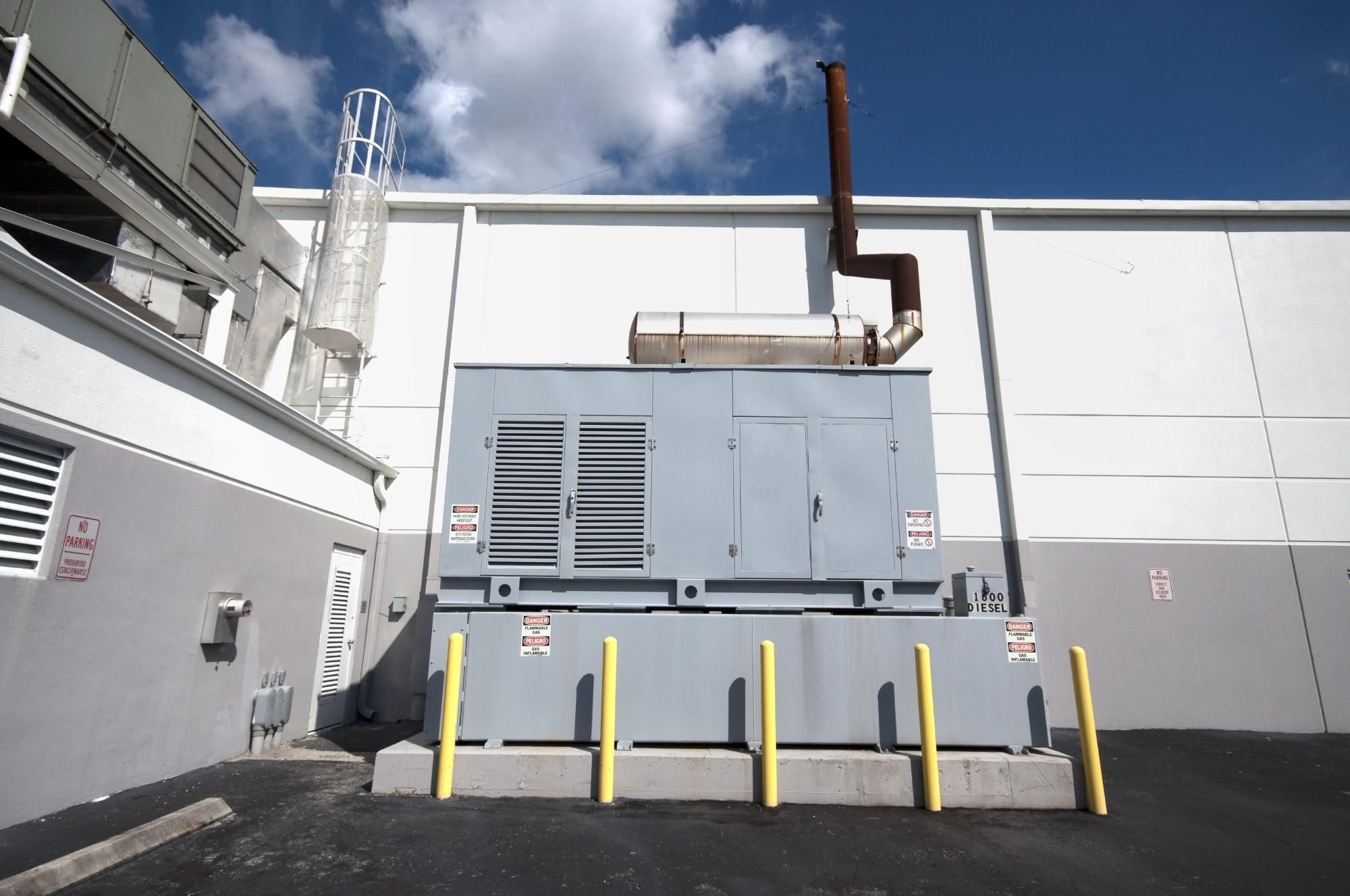
Diesel is the only viable option for remote sites where utility infrastructure is non-existent. Because the fuel is stored on-site in tanks, the generator is completely independent of the local grid. This is a vital consideration for facilities located in areas prone to natural disasters, where subterranean natural gas lines might be compromised by seismic activity or flooding.
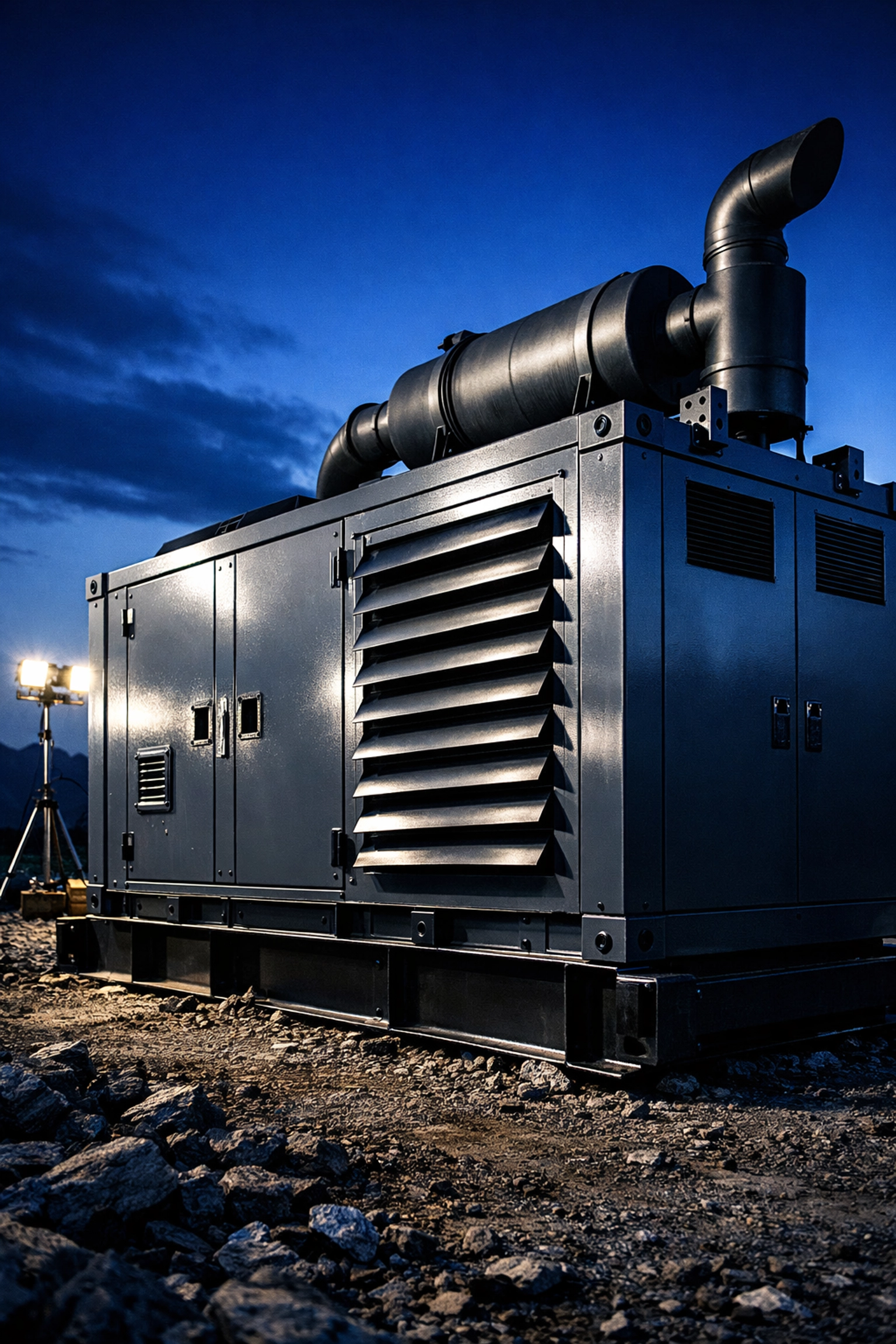
Natural Gas Generators: The Clean, Modern Alternative
As environmental regulations tighten and utility infrastructure improves, natural gas generators have become a formidable competitor to diesel, particularly for stationary standby applications in urban and suburban areas.
Fuel Availability and Continuous Runtime
The most significant advantage of natural gas is the delivery system. By connecting directly to a local utility pipeline, a natural gas generator has an almost "infinite" fuel supply. You don’t need to worry about scheduling fuel deliveries or managing on-site storage tanks. For facilities like hospitals or municipal buildings that require extended runtimes during long-term outages, natural gas eliminates the risk of running dry.
Environmental Compliance
Natural gas is the cleanest-burning fossil fuel. It produces significantly fewer nitrogen oxides (NOx) and particulate matter compared to diesel. While modern Tier 4 diesel engines have made great strides in emissions reduction, natural gas still holds the upper hand in "at-source" cleanliness. If your facility is located in a region with strict EPA or local air quality mandates, a natural gas unit may simplify your permitting process.
Operational Noise
Noise pollution is an often-overlooked factor in industrial planning. Natural gas generators typically operate at 58–69 dB, which is significantly quieter than the 75–90 dB range common for diesel units. For facilities located near residential areas or office complexes, the lower decibel output of a natural gas system can be a major selling point.
Comparing Costs: Initial Investment vs. Operational ROI
When evaluating cost-effectiveness, you must look beyond the sticker price. The financial profile of these two options changes depending on the size of the unit and the duration of its use.
Upfront Capital Expenditure (CAPEX)
For smaller applications (under 150kW), natural gas generators are often priced competitively with, or even lower than, diesel units. However, as the power requirement increases, the complexity of natural gas engines: which require spark ignition systems and sophisticated fuel mixing: increases the price. For large industrial units over 150kW, a natural gas generator can cost 60% to 100% more than a diesel unit of the same capacity.
Operating Expenses (OPEX)
While diesel is cheaper to buy at high capacities, natural gas is almost always cheaper to run. Fuel costs for natural gas are consistently lower than the market price of diesel. Over a 20-year lifespan, the fuel savings from a natural gas unit can often offset the higher initial purchase price, provided the generator sees enough runtime.
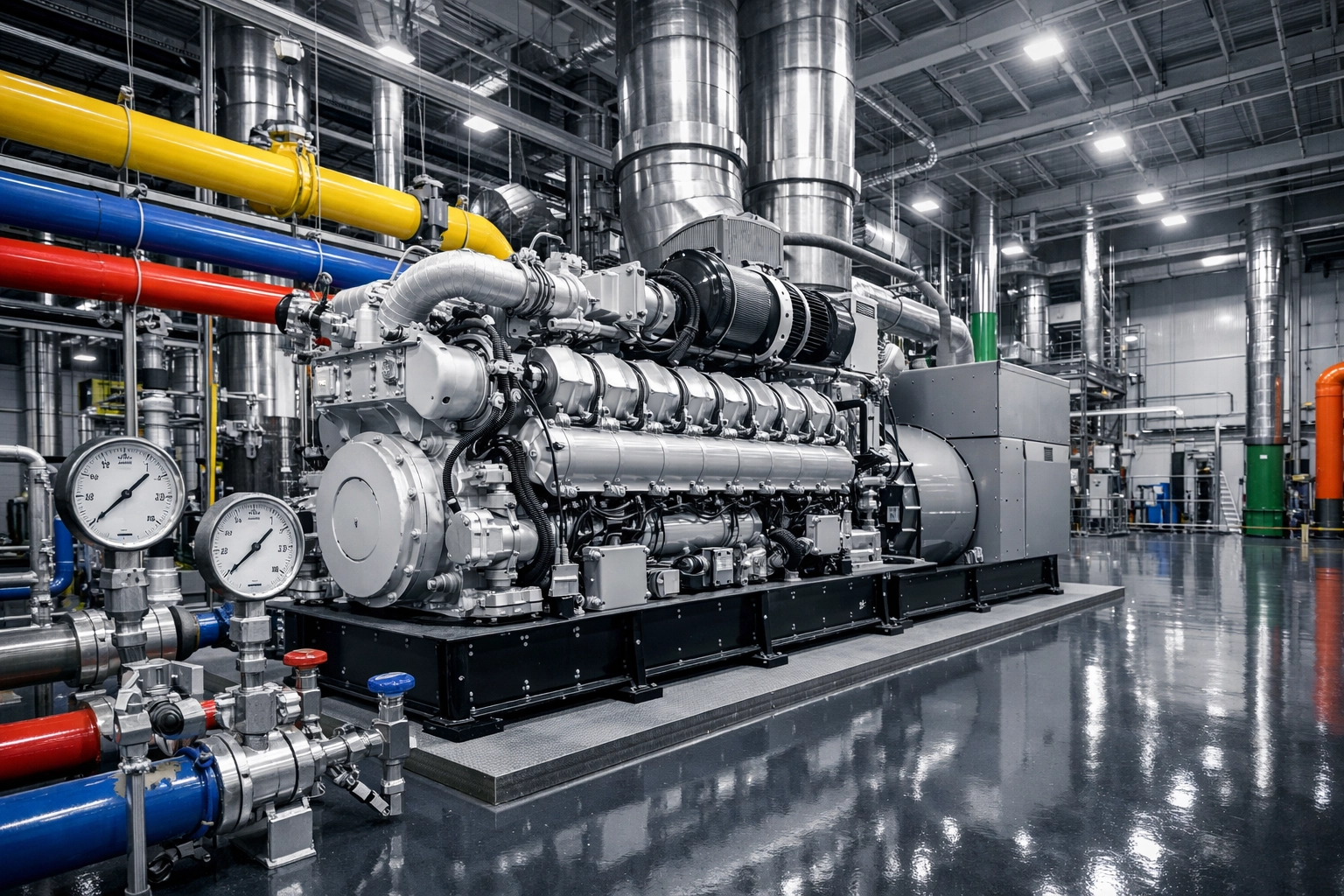
Maintenance and Lifespan: Which Lasts Longer?
Durability is a key concern for any capital equipment purchase. At Swift Equipment Solutions, we often see used diesel generators with thousands of hours still performing at peak capacity.
Diesel Longevity
Diesel engines are built to endure. Because they use compression ignition rather than spark plugs, they have fewer electrical components that can fail. Most industrial diesel units are liquid-cooled and designed to run at 1800 RPM, which results in less wear and tear over time. With proper maintenance, a diesel generator can easily last 20,000 to 30,000 hours before requiring a major overhaul.
Natural Gas Maintenance Needs
Natural gas engines generally operate at higher speeds (up to 3600 RPM in some configurations) to achieve the same power output as diesel. This higher speed, combined with the heat generated by spark ignition, tends to result in a shorter overall lifespan. Furthermore, natural gas units require more frequent servicing to manage carbon buildup and maintain the ignition system.
However, it is important to note that natural gas has one maintenance advantage: the fuel doesn't degrade. Diesel fuel stored on-site can grow "algae" or accumulate moisture over time, requiring polishing and stabilization treatments. Natural gas remains ready to burn regardless of how long it sits in the pipe.
Head-to-Head Comparison Table
| Feature | Diesel Generators | Natural Gas Generators |
|---|---|---|
| Energy Density | High | Low |
| Fuel Storage | On-site tanks required | Utility pipeline connection |
| Response Time | 10 Seconds (Superior) | 10–30 Seconds |
| Emissions | Higher (requires Tier 4 filters) | Lower (Cleanest burning) |
| Initial Cost | Lower for large units | Higher for large units |
| Lifespan | 20,000 – 30,000+ hours | 10,000 – 15,000 hours |
| Maintenance | Simple but frequent fuel care | Complex ignition maintenance |
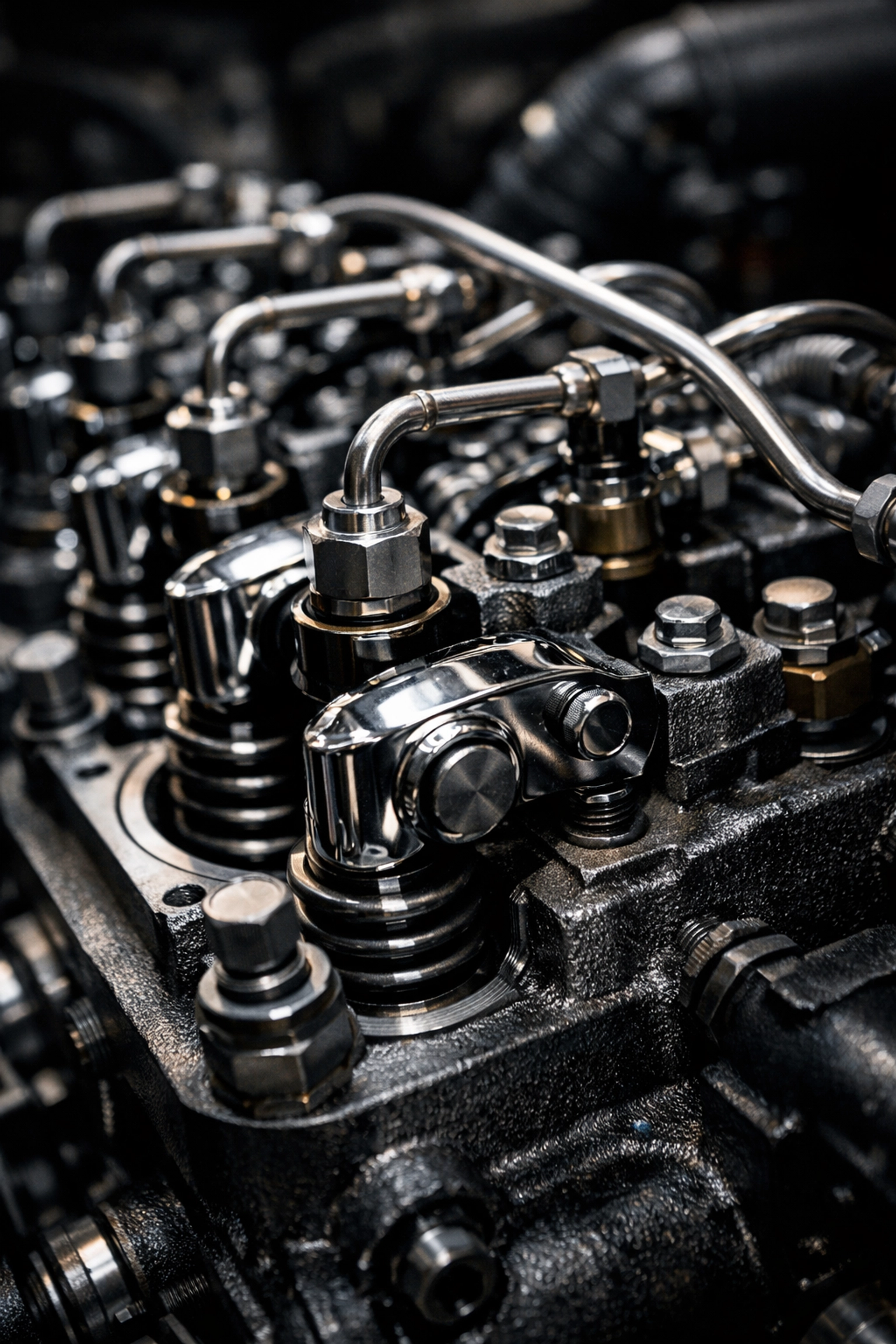
Making the Decision: Which is Right for Your Facility?
Choosing between these two isn't about which technology is "better," but which is more appropriate for your specific use case.
Choose Diesel If:
- Your facility is in a remote location or off-grid.
- You need a primary power source for heavy industrial equipment.
- You require the fastest possible response time for critical life-safety systems.
- You are looking for the lowest initial capital investment for high-kilowatt applications.
- You want the flexibility to relocate the generator in the future.
Explore our inventory of used generators to see high-quality diesel options currently available.
Choose Natural Gas If:
- Your facility has easy access to a reliable municipal gas line.
- Environmental regulations in your area make diesel permitting difficult.
- The generator will be located near a residential area where noise is a concern.
- You are looking for lower long-term fuel costs and are willing to pay more upfront.
- You want to avoid the logistics and risks associated with on-site fuel storage.
If you are looking for specific engine types for your integration, browse our used natural gas and diesel engines.
How Swift Equipment Solutions Can Help
At Swift Equipment Solutions, we understand that an industrial generator is a significant investment. Whether you are leaning toward the raw power of diesel or the clean efficiency of natural gas, our team is here to provide the technical expertise you need to make an informed choice.
We carry a wide range of industrial equipment and parts, including everything from generator ends to full power plants. We don’t just sell equipment; we help you find the solution that fits your technical specs and your budget.
Not sure where to start? Our experts can analyze your load requirements, local fuel availability, and site constraints to recommend the perfect unit. Whether you’re looking for a brand-new setup or a cost-effective used unit, we’ve got you covered.
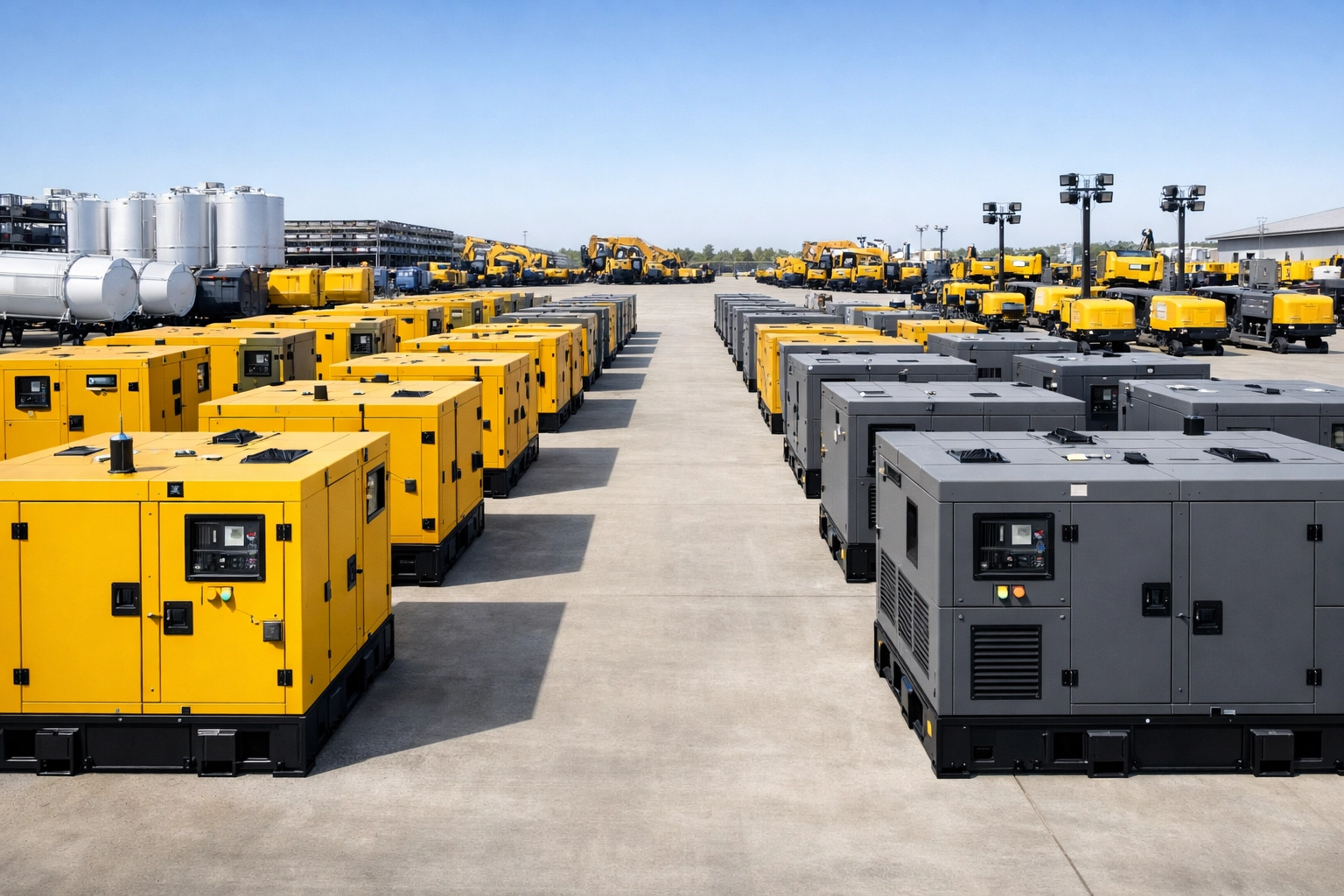
Contact Us Today
Ready to secure your facility's power future? Contact us today for a consultation or to request a quote on our current inventory. You can also explore our sitemap to find specific categories and product listings that match your needs.
Don't leave your power to chance. Partner with the experts at Swift Equipment Solutions and keep your facility running, no matter what happens on the grid.

Leave A Comment