
Fall interactions and outputs need
If you’re considering selling a used generator or engine, the difference between a lowball offer and a top-dollar payout often comes down to preparation, smart marketing, and the right sales channel. Whether you’ve upgraded your facility, are offloading surplus inventory, or just want a simple, stress-free deal, a few key steps can maximize your profits and minimize headaches. Here’s a step-by-step roadmap from the team at Swift Equipment Solutions to help you get the best return from your equipment sale.
Table of Contents
Preparation: Make Your Equipment Irresistible
Cleanliness is Non-Negotiable
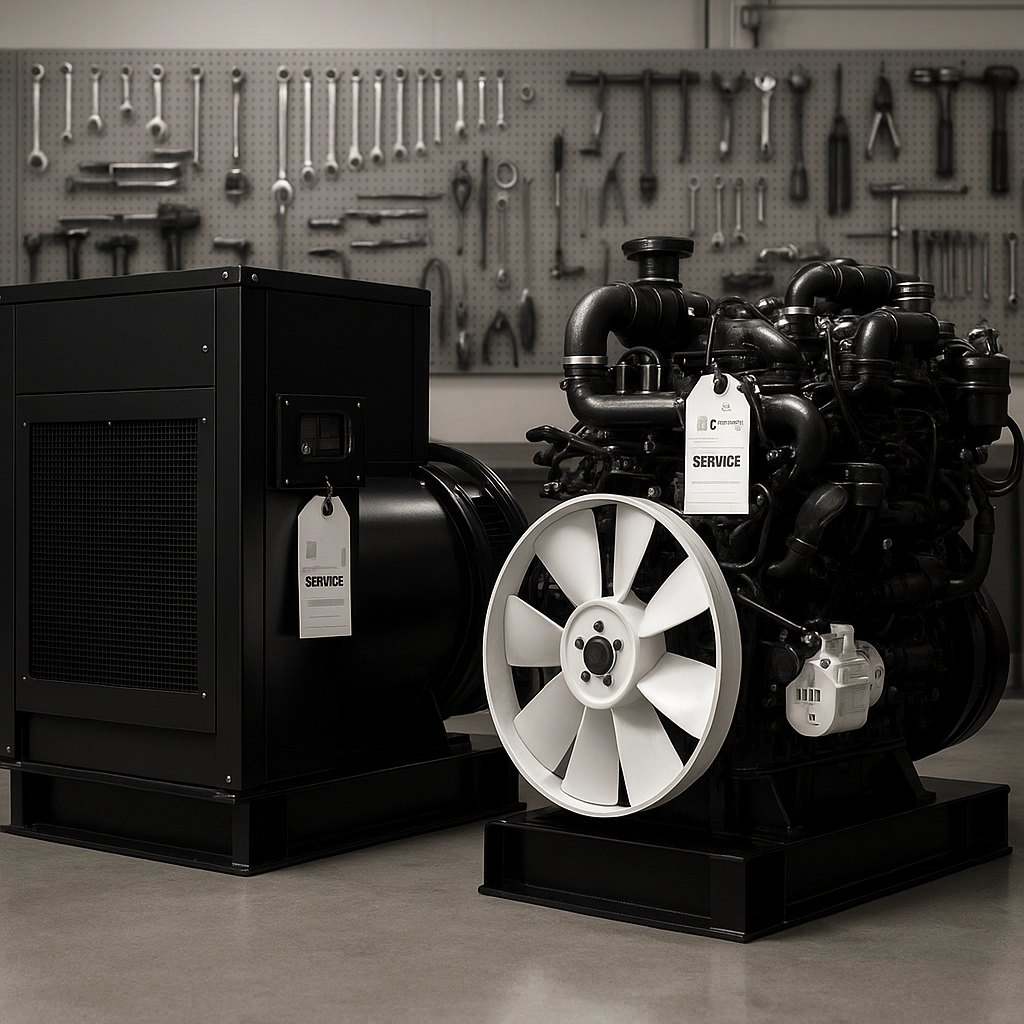
Before you snap a single photo or pick up the phone, take the time to thoroughly clean and prep your generator or engine. Wipe down painted surfaces, remove grease, and clear away debris or installation clutter. Even if it’s destined for a new industrial site, first impressions count—dirty or neglected equipment raises red flags and drags down the price.
Make sure all the nameplates, badges, and ID plates are visible and legible. Buyers look for this info to verify specs, age, and history—don’t make them hunt for it! A clean, organized appearance often signals attentive maintenance and reduces haggling over condition.
Gather Service History and Documentation
Complete, organized paperwork is pure gold to a prospective buyer—especially for used industrial equipment. Pull together:
- Maintenance and service logs (dates, parts replaced, any repairs)
- Original manuals or spec sheets
- Proof of purchase or title (if available)
- Any load test certificates or inspection records
Records that show steady maintenance and reliability can help you stand out from “as-is, untested” sellers, building credibility and keeping negotiations smooth.
Strategic Pricing: How to Nail the Right Number
Know Your Market
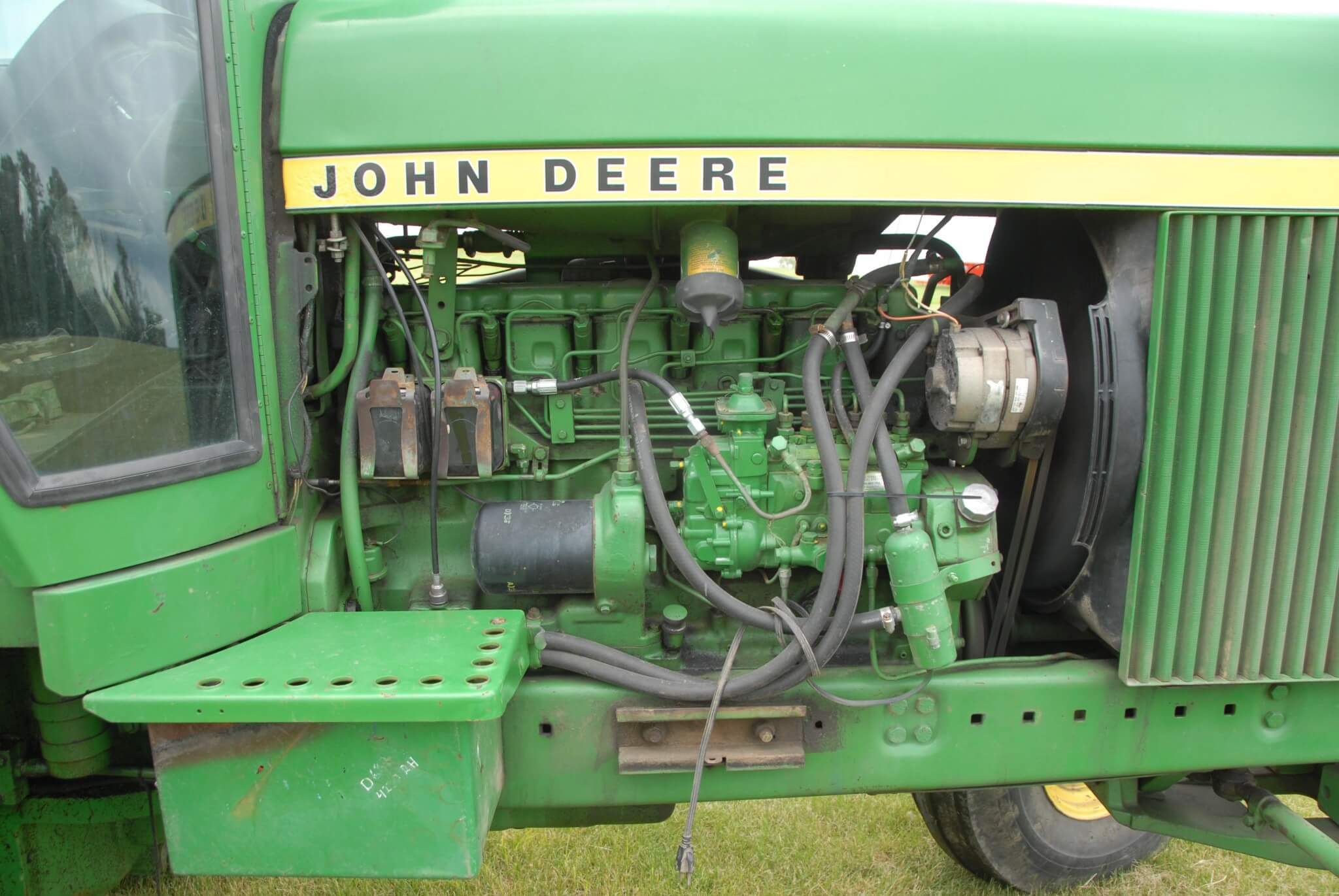
Before you set your price, research what similar generators or engines are fetching online—pay extra attention to listings with recent sales in your area. Age, condition, manufacturer, and total running hours all factor into market value. Premium brands (like Caterpillar, Cummins, Kohler, or John Deere) and units with low hours fetch higher prices, but even mid-range equipment can bring strong offers with proof of reliability.
You can check out real-world pricing using Swift Equipment Solution’s generator listings as a benchmark. Don’t just settle for the high or low end—figure out where your unit fits based on age, service records, and features.
Set a Realistic, Transparent Price
One of the biggest mistakes sellers make? Either pricing too high just “to see what happens,” or being wishy-washy and refusing to put a number in the ad. Buyers like transparency—and so do negotiation bots! Set an asking price based on your research, but expect a bit of negotiation. If you’re in a hurry, offer a fair “firm” price with strong supporting documentation to move things quickly.
Smart Marketing: Make Your Listing Stand Out
Picture Perfect: Quality Visuals Are Essential
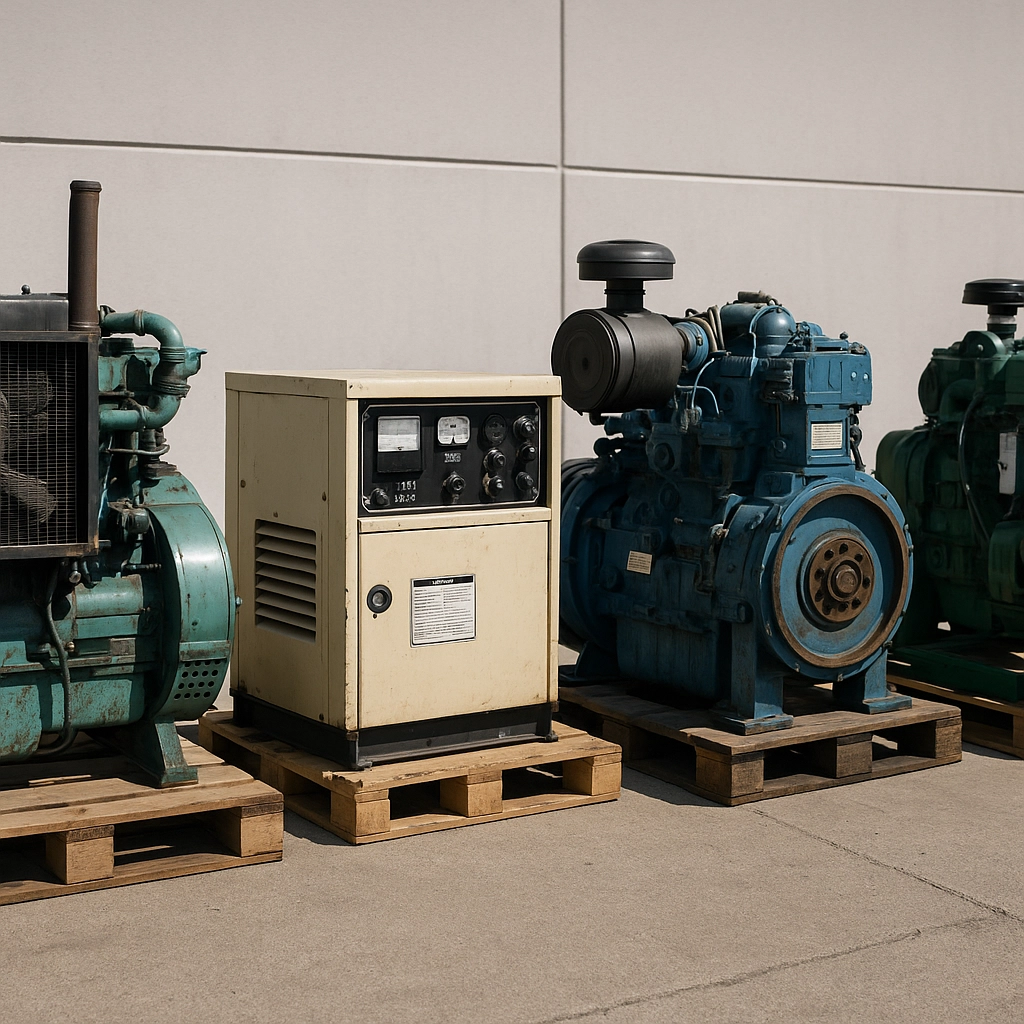
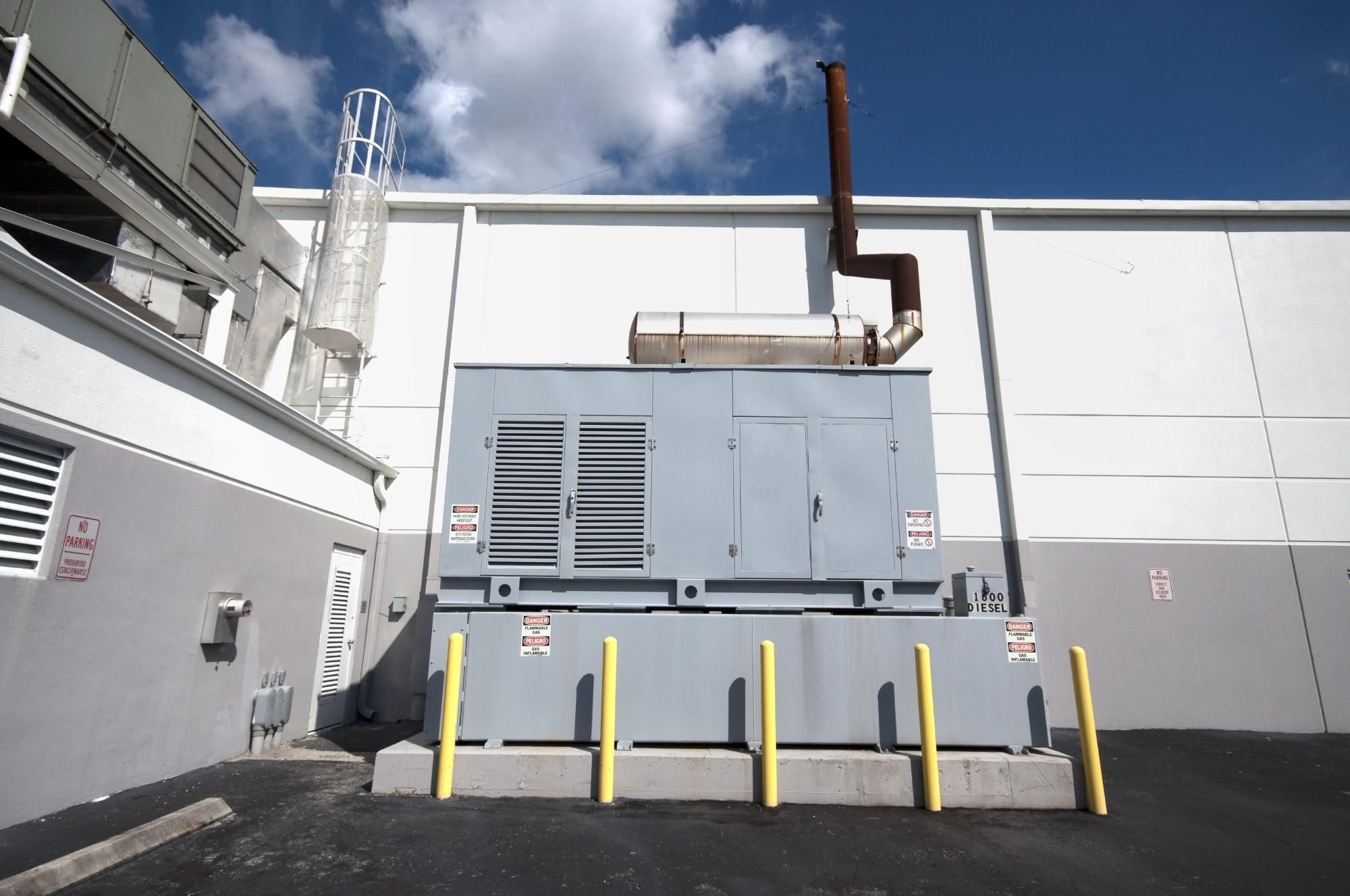
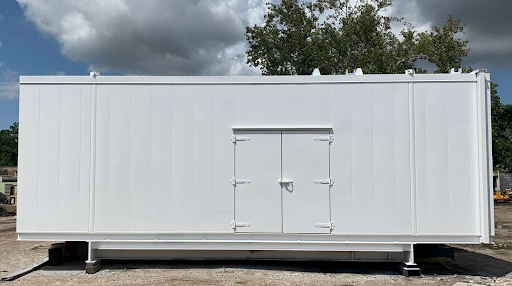
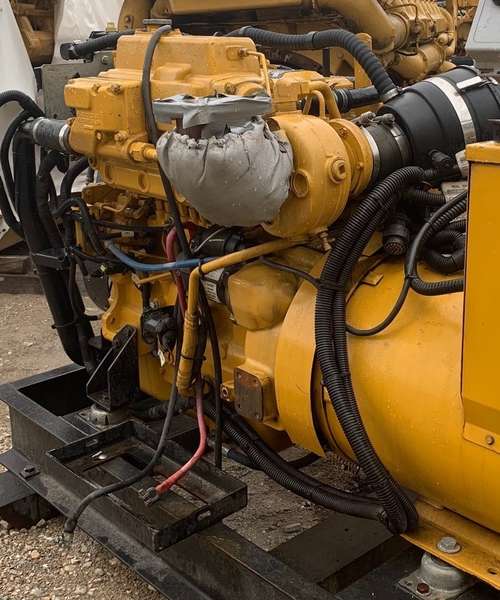
Bright, clear, well-staged photos make your equipment desirable. On a sunny day, take multiple shots from all sides, showcasing the paint, enclosure, installation site, and details like the control panel, fuel tanks, and hour meter.
Zoom in on key details—manufacturer labels, data plates, and any specialized features. High-res images not only answer a buyer’s questions but reassure them your generator or engine matches the description.
Video Adds Value
Go a step further: If you can safely do so, record a short video of the generator or engine operating at load. Show startup, idle, and any relevant controls or meters. Hosting this video on YouTube or a cloud link and posting it with your listing increases buyer confidence and can speed up the sale.
Write a Detailed, Honest Description
Skip the generic copy-paste specs. Instead, list:
- Manufacturer and model
- Year of manufacture
- Total run hours (with supporting photos if possible)
- Power output, voltage, and phase
- Fuel type and tank configuration
- Dimensions and weight
- Any repairs, upgrades, or known issues
Honesty is vital. Be upfront about minor flaws or wear—serious buyers appreciate candor and will often overlook small concerns for a good value. A transparent, helpful listing reduces time wasted on back-and-forth messages and attracts more decisive buyers.
Choosing the Right Sales Channel
Online Marketplaces for Broad Reach
Sites like Facebook Marketplace, industry-specific forums, and equipment sales platforms bring your listing to a wide audience—sometimes nationwide. While you’ll field more inquiries, be ready to screen buyers carefully to avoid scams and time-wasters.
For an industry-specific pool of qualified buyers, consider listing directly with Swift Equipment Solutions. Our buy/sell page allows sellers access to a network of companies and resellers seeking used generators and engines.
Local and Regional Buyers
Selling locally has its perks: quicker transactions, easier inspections, and sometimes no shipping hassle. Reach out to nearby businesses or facilities that might need a backup generator or power unit. Sometimes a nearby buyer will even arrange removal, saving you extra effort.
Professional Equipment Buyers—The Hassle-Free Option
If you want a guaranteed, no-nonsense transaction, companies like Swift Equipment Solutions buy used industrial generators and engines directly. This takes away the stress of endless negotiations, awkward viewings, and complex logistics. We evaluate your equipment, make a fair offer, and handle pickup and payment—often closing deals in just days. Request an offer here.

Advanced Tactics for Top Dollar
Load Bank Testing
If you’re selling a unit with a premium price tag or want an edge in a competitive market, invest in a recent load bank test. This is an independent performance test proving the generator’s output and stability. It costs a few hundred dollars but can justify higher asking prices and reassure serious buyers.
Timing and Market Trends
If possible, list when demand is highest. Disaster season (hurricanes, heavy storms), peak construction months, and before the fiscal year-end typically see more buyers with urgent needs.
Scrapping as a Last Resort
If your equipment is outdated or beyond repair, scrapping and recycling might be the only way to recoup value. Compare offers from local scrap yards or recycling facilities—it’s not glamorous, but it’s better than letting old units gather rust.
Key Takeaways
- Prep and clean your equipment—first impressions count for a lot!
- Provide clear documentation and honest descriptions for faster, safer sales.
- Use strong photos and even a video to showcase condition and build confidence.
- Research market value and price transparently; be open to fair offers.
- For speed and peace of mind, work with reputable direct buyers like Swift Equipment Solutions.
Ready to get started? Whether you want a quick, no-fuss sale or to maximize your return with a little extra effort, Swift Equipment Solutions is your resource. Check out more selling tips—and our current buying interests—at our Buy & Sell page.

Leave A Comment